Human Nature | Leighton Schreyer

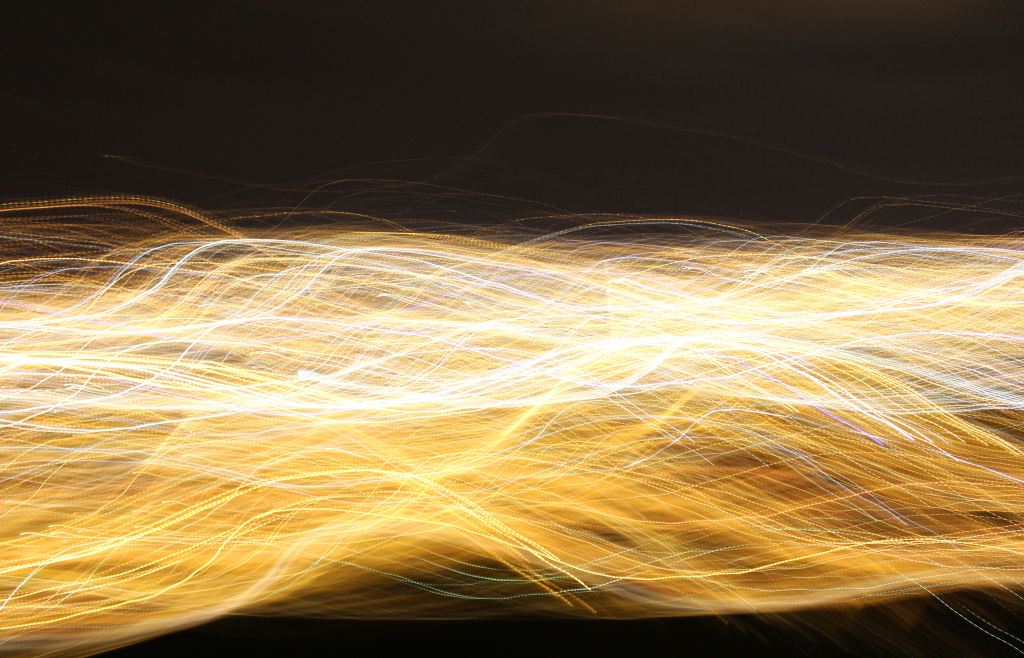
Image: Maxime Valcarce

Human Nature

Do not say that you do not see what I see.
Do not say that you do not feel the walls closing in on you, that
you do not hear the click of the key turning, locking you in a box like a coffin, because

nothing is as simple as it seems.

Beyond the borders of those boxes that
sort skin like laundry into darks and lights, coloured or white,
telling tales about the danger posed by a single soot black sweater, hood pulled high,
or a dress, red as blood, thrown in with crisp white sheets because

it only takes one drop;

at the limits of those labels that
reduce people to chemical structures, to nothing but an arrangement of atoms
on one side of a double bond — cis, as in same, ordinary, natural, normal —
or the other — trans, as in different, unlike in nature, form, or quality,

unintelligible and illusory as such;

in between that fractured love that
physicians tried (in vain) to set straight before issuing diagnoses
of sexual deviation — sociopathic personality disturbances to be treated and tamed,
banished to bathhouses first, then bedrooms, now stashed away in closets and being

dared to come out;

within those colossal cracks that
some try to seal with pity, others with prayer, asking God for a miracle, a cure,
something to ease the suffering and numb the pain they attribute to being broken because
they cannot see the sunlight seeping through the cracks, cannot understand that

there is beauty in breaking;

there, in the spaces beyond and inbetween,
at the edges of perception where people are othered and alienated, separated and segregated,
where borders are built with walls made of bricks, not straw or sticks because
there, a harmonious wind howls at the rising moon and life dances with liminality like

humans with nature.

Leighton Schreyer (he/they): is a queer, trans*, disabled writer and poet based out of Toronto who describes themselves as fundamentally unsatisfied with the status quo. Through their writing, Leighton strives to see the unseen and hear the unheard, to make the invisible visible and tell the untold. They use their writing as a tool for activism and empowerment, challenging readers to reflect on the biases and assumptions that shape worldviews. As a current medical student, Leighton is particularly interested in the intersection of health, arts, and the humanities, and is passionate about using stories, storytelling, writing, and poetry as powerful tools for healing and connection.

Diagnosis | Brian Dickson

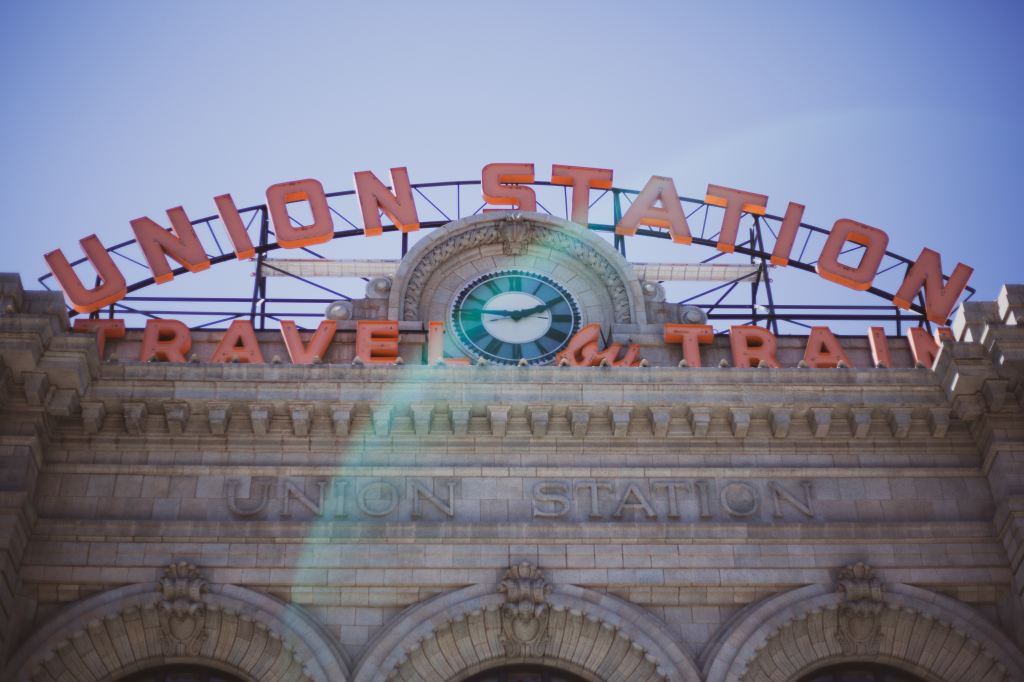
Image: Christin Wurst

Diagnosis

Outside the men’s restroom
at Union Station
trench coats heaped
next to skis.

Inside the pile
I am a carpet beetle
minding the pockets.

Outside the pile
I am the custodian with
a side gig selling the larvae
to the chocolate-covered-
insect food truck,
The Smooth Thorax.

Brian Dickson (he/him/his): When not teaching at the Community College of Denver, Brian avoids driving as much as possible to traipse around the front range region by foot, bike, bus or train with kids in tow. Somehow he also serves as an editor for New Feathers Anthology as well.

Two Poems | Tyler Hurula

Image: Pawel Czerwinski

What’s Left

Maybe I should stop
writing about glitter—
but sometimes I wonder

if it’s the only proof
still clinging to what’s left
of us. Do you miss

the sparkle of my eye
shadow? Golden branded
butterfly kisses fluttered

onto your gilded cheeks.
I guess I just like shiny things
that stay. Like a shimmery

permanence, or a luster
memento of everything
I’ve loved enough to touch.

Another Period Poem

Fucking someone should be easy,
but I’m on my period
on a first date, and I want

to negotiate a scene—
but not that one from The Shining.
So anyway, a man walks into a bar

and I’m bleeding. He says I’m happy
you decided to meet, and my smile
lacks sparkle because I’m just here

for the ride, and one of us knows
that’s not going to happen.
I order something fruity with a tiny

umbrella. My cherry red lipstick ghosts
into the soft red bar-light glow.
I’m on his lap when I say we’re not

having sex. He puts his hands up—
a surrender, says I’d just like to kiss you,
and we do until I’m kissing

him with my eyes open: bored and waiting
for the punchline. An older man
walks into a bar, and I’m still bleeding.

He says I don’t drink but looks thirsty.
I savor the thought of being a novelty,
but he looks everywhere but me

and his fingers fidget, never reach
for mine. He walks me home
and doesn’t invite himself in.

A woman walks into a coffee shop,
it’s a week and a half later and I’m still
bleeding. I’m cursing the bloated

baggage of the breakup that brought
this all on. She says I’d like to kiss you,
and we do and she leaves. I want to feel

something, will myself to exchange
numbness for lust. I’m empty and aching
to be filled by something like soft

hands. The boy made of sand
let himself be swallowed
by a gentler sea. I wish

instead of blood I could bury
him under the rough
sheets of some unknown

bed. I don’t want to write
another poem about this boy
or my period,

but I guess I’ll opt for the latter
because it’s the one that always comes
back.

Tyler Hurula (she/her) is a poet born and raised in Denver, Colorado. She is queer, polyamorous, and lives with her wife and two cats. Author of Love Me Louder (Querencia Press). Her poems have been published previously in Anti-Heroin Chic, Aurum Journal, Quail Bell Magazine, Gnashing Teeth Publishing, and more. She values connection, authenticity, and vulnerability, and tries to encompass these values in her writing as well as everyday life.

The Hidden Fist | Joshua Gage

Image: Rocco Dipoppa

The Hidden Fist

Your right hand squeezes,
hoping to milk blood
from the stones of our body.

In its grip, you resurrect
an age of tailfins and lunar discovery,
but you also manifest
the unholiest of sins,
a generation of blind eyes
and cancerous banks.

Consider how many of us descend
to take communion at your altar rail.

Offer us your compassionate bread
and a chalice of wine
fermented from your tears.

With a single snap of your fingers,
we will beat our wings to help
rebuild your temples.

Cradle us
———— in your left hand.

Joshua Gage (he/him/his) is an ornery curmudgeon from Cleveland. His newest chapbook, blips on a screen, is available on Cuttlefish Books. He is a graduate of the Low Residency MFA Program in Creative Writing at Naropa University. He has a penchant for Pendleton shirts, Ethiopian coffee, and any poem strong enough to yank the breath out of his lungs. Follow him @pottygok.

In the end, everything dies. | Cailey Johanna Thiessen

Image: Mario Verduzco

In the end, everything dies.

The mold, the spoil,
the mushrooms rising
from damp wood.
All around us the house caves in;
fading rays of sun
illuminate the decay,
and we breathe deep
the rot. Our bodies grow
twice their size
before we start to disappear,
before the fungi take root
and all that’s left
is life.

Cailey Johanna Thiessen (she/her) grew up between Mexico and the United States. She writes in English and Spanish and sometimes a mix of the two. In addition to writing poems, she works as a translator and is an editor and founder of Last Leaves Magazine. She released her debut chapbook Wilder this year, and her poems have been published in 8 Poems, Willard and Maple, Cecile’s Writers, Hispanecdotes, and more. When she’s not working with poetry, you might find her doing embroidery, walking her Frenchie Earl, or eating really good food with her husband.

Hymn for the Powers That Be | Dustin King

Image: William Morris

Hymn for the Powers That Be

I have a story to tell, a picture to weave behind your eyes.
Blood steamed from the sands. Dinner charred on all sides.
Slip into the bath. Sip tea. A lot of hot liquid at once.
Night after night we remember what we achieve in dreams.
Forgotten in the silence of the morning, the deafening stirring of coffee.
We mouth breath into each other’s mouths. We purr and hiss into the abyss.
In the west mountains move. A whole tree floats down the river.
In my backyard I prod air with a finger and it ripples.
Lines of ants spiral out and under front doors.
A neighbor sobs. A neighbor chops carrots.
A dog barks. A child scolded. Chop chop. And again.
Light shines off the azaleas’ white petals that brown as they wilt.
What will the weeds cradle, gobble? Today is Sunday. Reset day.
Streak of yellow house finch. Buttercup gold dust between my toes.
Day of apologies, forgiveness. Ask for it and receive it in an inhale.
Exhale. In the east waves wash away footprints where we never walked.
Grubs in the garden swallow dirt in the dark.
Speak to the dead. Who dares speak for them?
Is anxiety just the fear of being afraid? Neighbors point to the sky:
A hawk’s arc. A contrail’s swipe. Clouds morph,
take on their many shapes. Swine, toaster, werewolf, Ferrari.
The breeze whispers into trees’ ears, storm, storm.
Where did the birds go? Those first few drops keep their promise.
Sections of the city brimming. Dancers in the downpour.
Metal screeching out of time with the earth’s humming veins.
Then dusk again. Bats spell it out as mosquitoes disappear midair.
The stars! There are more the more you look.
Pray there is appeasing the powers that never were.

Dustin would always rather be sneaking a bottle of wine into a movie theater. When nothing good is playing, he teaches Spanish and runs a small organization that provides aid to the undocumented community in Richmond, Va. His poems pop up in the Potomac Review, Ligeia, Drunk Monkeys, Sublunary Review, and other spots. His poem “Progress, Mexico” appears in an earlier release of poems from the South Broadway Ghost Society.  

Scout Locket | Monique Quintana

Image: John Hayes

Scout Locket

Crow taught his specter mother how to sew dresses from what had once been her favorite windowsill. She sewed dresses so unattractive that no one would want them, and she could keep them as her daughters. Each dress with an x of a body, she blew copal over where their ears and their shoulders should be. See how bold your sisters would be, and when the dresses rose and billowed in the cold sun, they drifted away, said good-bye, mother.

Monique Quintana is a Xicana from Fresno, CA, and is the author of Cenote City (Clash Books, 2019). Her work has been published in Maudlin House, Wildness, Lost Balloon, Okay Donkey, and The Acentos Review, among others. Her work has also been supported by Yaddo, The Sundress Academy for the Arts, The Community of Writers, and The Kimmel Harding Nelson Center. She was the inaugural winner of Amplify’s Writer of Color Fellowship and is a contributing editor at Luna Luna Magazine, where she writes book reviews, artist interviews, and personal essays. You can find her at @quintanagothic and moniquequintana.com.

ask again later | Danni Bergen

Image: Irina Iriser

ask again later

IT IS GETTING DARK ON MY BODY AND I CAN NO LONGER SEE MY FINGERTIPS. MY GENDER IS NOT AFRAID OF THE DARK. MY BODY IS AFRAID OF EVERYTHING. MY GENDER ALWAYS CARRIES MACE IN ITS POCKET AND KEYS BETWEEN ITS FINGERS. MY BODY SLEEPS SOMETIMES BUT MY GENDER IS ALWAYS AWAKE. WE EAT TOGETHER, AT THE SAME TABLE, BUT THE FOOD IS DIFFERENT ON EACH PLATE. WE TRY A LITTLE OF EACH OTHER’S MEALS, FEELING WHAT FUELS THE OTHERS FUEL US TOO. I AM DISTRACTED BY MY BODY, MY BODY IS DISTRACTED BY MY GENDER, AND MY GENDER IS DISTRACTED BY LIGHT, AIR, AND THE ENERGY LEFT IN THE ROOM ONCE EVERYONE LEAVES. MY GENDER IS DRY ROSE PETALS, AND WIND, AND THE SPINNING FEELING IN YOUR GUT ONCE WE’VE LOCKED EYES. SUMMER IS GONE BUT WINTER IS JUST AS LONELY. AT LEAST AT NIGHT MY COMFORTER MAKES THE SHAPE OF YOUR BODY NEXT TO ME AND WHEN I CLOSE MY EYES I CAN STILL SMELL YOU. OUR GENDERS ARE FRIENDS, IN THE REALM WHERE ONLY GENDERS LIVE, THEY DANCE AND TALK AND SHARE SMOKES OUT OF THEIR BEDROOM WINDOWS, LIGHTING INCENSE TO HIDE THE EVIDENCE. MY GENDER IS THE FLOATING PYRAMID IN THE PURPLE WINDOW OF A MAGIC 8 BALL: SHAKEN, FULL OF ANSWERS, AND SLIGHTLY FROTHY. MY BODY IS JUST AS FROTHY, BUT FILLED WITH QUESTIONS, INSTEAD. EITHER ONE WILL ONLY TELL THE DIVINE TRUTH.

Danni Bergen (they/them) is a poet, photographer, and artist who was born and raised in Denver but has recently relocated to Butte, Montana to try living a little slower on for size. They have an Associate’s of Arts in Theatre from the Community College of Aurora and a Bachelor’s degree in Interdisciplinary Studies with concentrations in creative writing, visual art, and performance from Naropa University. You can see more of their work on dannithealien.com. @dannithealien on Instagram

Last Fig | Jennifer Browne

Image: John Hayes

Last Fig

A kid outside shouts
“There’s no tomorrow!”
and, I think, he’s right.
And, I think, how must
it feel to be this kid, ten
and skating a paved alley,
bright sunshine in April,
and feel not joy but dread.
The world is burning.
But I have just eaten a fig
that tastes of your mouth
and tastes of my desire
for your mouth, so if
he’s onto something,
and there is no tomorrow,
let me fall into the rubble
with this last wash of your
sweetness on my tongue,
let my desire be the blade
of sprouting green
that cracks the wreckage,
let all the world that comes
after sing out for you.

Jennifer Browne (she/her) falls in love easily with other people’s dogs. Her poems have recently appeared in One Sentence Poems, Right Hand Pointing, Quarto, Trailer Park Quarterly, Beltway Poetry Quarterly, and the tiny wren anthology All Poems are Ghosts

A Winter Evening With Chili Bajjis | Sreekanth Kopuri

The green chilis wait
to warm the winter’ silence,

smile on its bleak face
reflecting on our drowsy stillness

dropping our moist clucks
of winter appetite that craves

for the sweet burn on our cold
-dry tongues. A handful, as my

mother makes a cut along each,
the mouths open as babies’. She

stuffs the ajwain, while dipping
each in the soft besan batter, and

drops those saffron-hued bodies,
in the boiling dance of groundnut oil

they drift with sizzling joy, and
the aroma being wafted unsettles to

resettle us with craving gulps of
eagerness to warm our frozen taste

buds. My daughter hops and struts
around, cooing off the moments into

those succulent brown, hardened
chili bajjis my mother serves warming

our frozen taste buds
with each mouthful that

deliciously burns us afloat
into the wrapping cold of winter.

Note: Bajji is an Indian delicacy from the state of Andhra Pradesh

Sreekanth Kopuri Ph.D. is an Indian poet, Current poetry editor for The AutoEthnographer Journal Florida, and a Professor of English from Machilipatnam, India. He recited his poetry at Oxford, John Hopkins, Heinrich Heine, and many other universities. His poems appeared in Arkansan Review, Christian Century, A Honest Ulsterman, Chicago Memory House, Two Thirds North, Heartland Review, Tulsa Review, Expanded Field, Contrapuntos IX, Vayavya, to mention a few. His book Poems of the Void was the winner of the Golden Book of the year 2022. He lives in his hometown Machilipatnam with his mother.