Editor Interviews // Chris Bullock

CHRIS BULLOCK

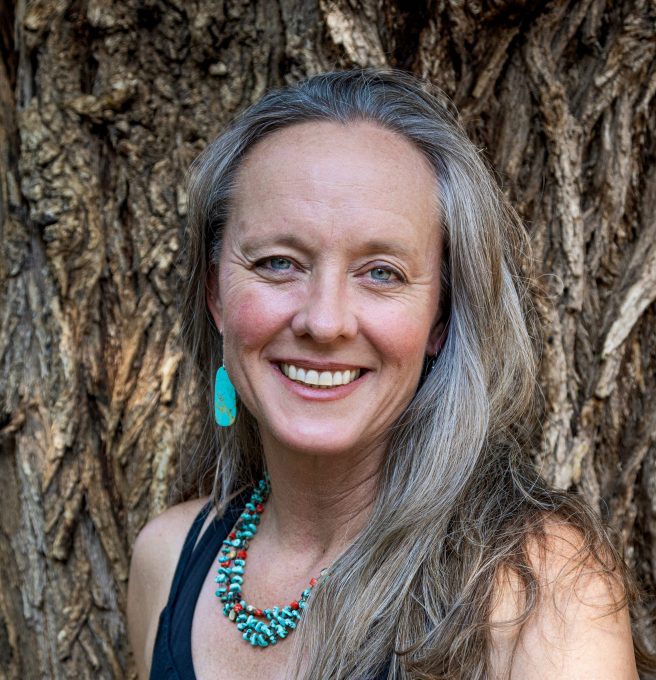
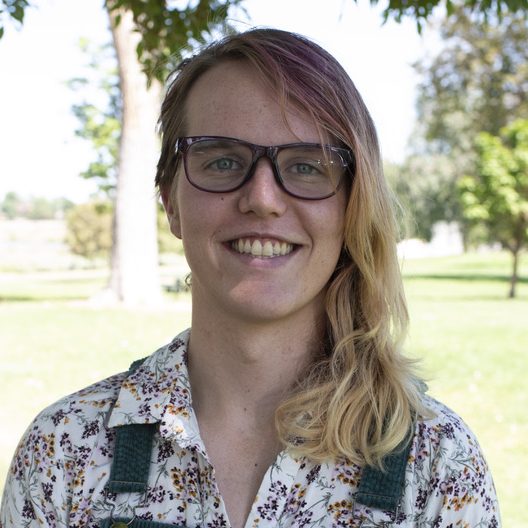
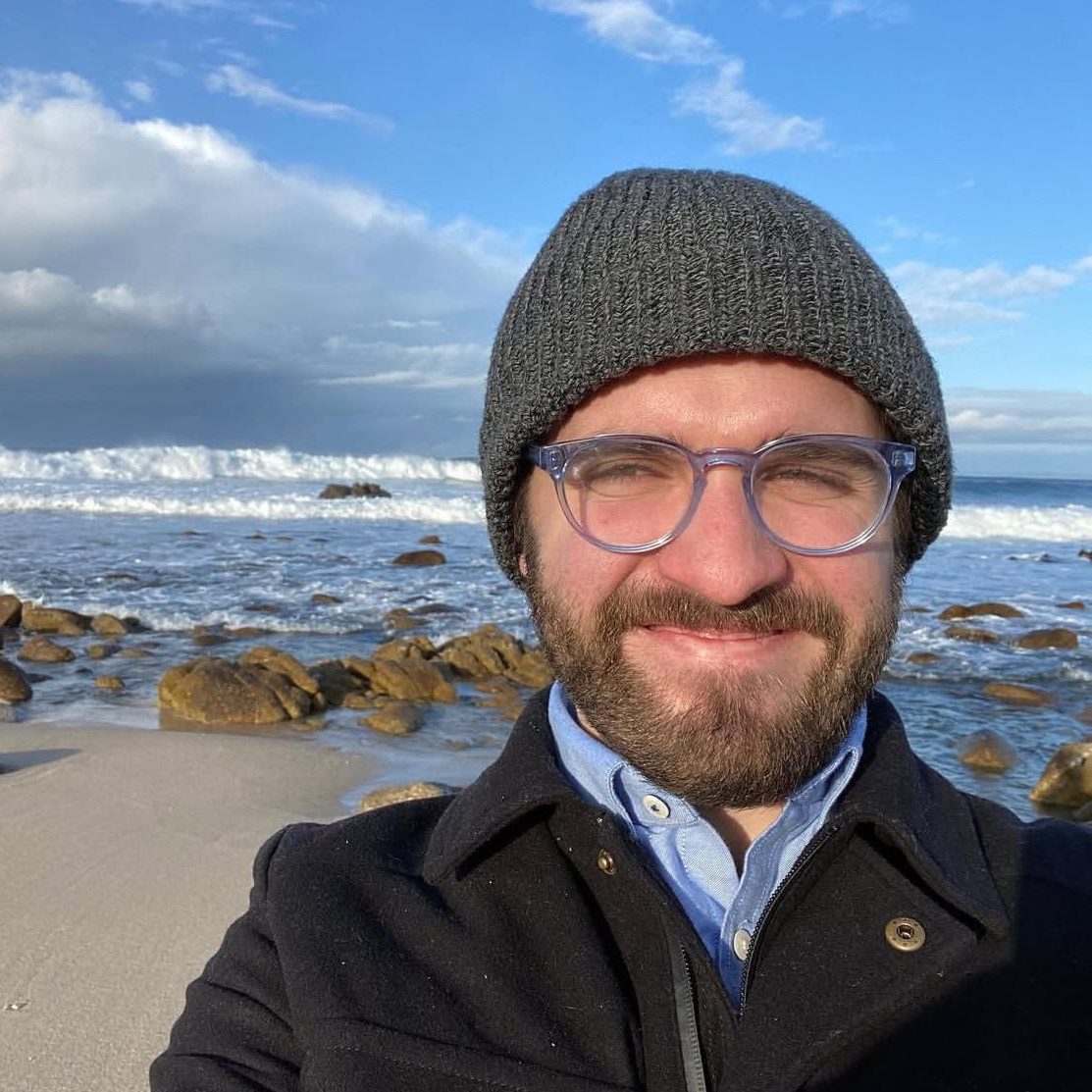
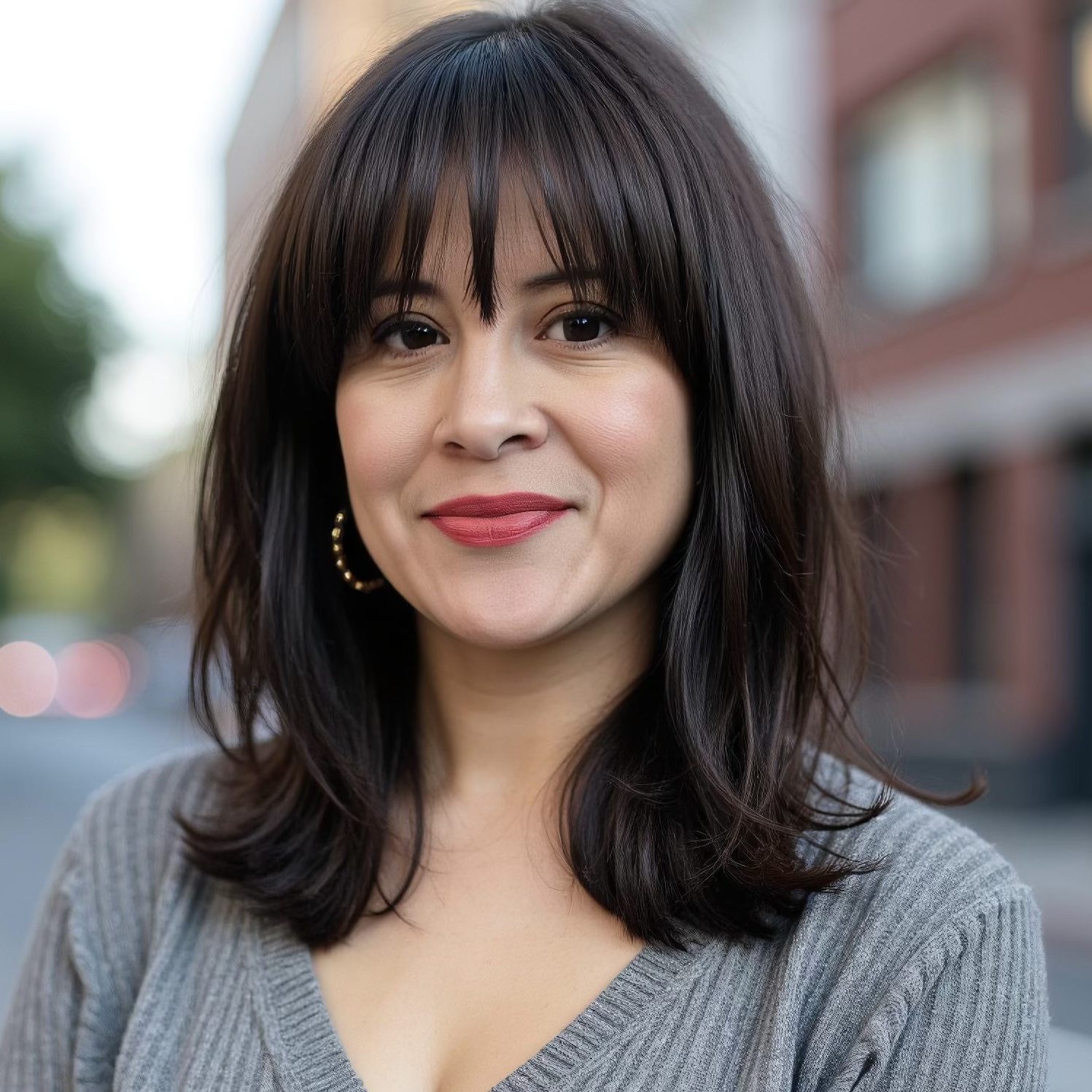
Chris Bullock, otherwise known as Tall City, has self published a few volumes of his work, and has been presenting his poetry at open mics and showcases for quite some time now, even reading for audiences with a rudimentary grasp of English. He has written and been published by South Broadway Press, has displayed art and curated exhibitions at The Lab on Santa Fe, has toured the country a few times with The Nicotine Fits, has sung his poetry inspired lyrics along his autoharp at venues and open mics, has spun original beats for freestyle rappers in Colorado and New Mexico, has studied in China on scholarship from community college, among other activities, and has recently decided to get a little more serious and diligent about something.

Writing is a way to formulate an ideal thought that is fluid and perfect from beginning to end. Some readers find life and emotion in it, others find some kind of death and a doubt of self.

Chris Bullock
SBP: WHAT IS FUELING YOUR CREATIVITY RIGHT NOW? WHERE DO YOU FEEL THE MOST CREATIVE?

CB: I feel the most creative when I am bored and my thoughts start playing around.

SBP: WHAT MADE YOU FALL IN LOVE WITH POETRY?

CB: Failing at almost everything else I have tried.

SBP: WHO DO YOU HOPE FINDS YOUR POETRY? WHO IS YOUR ART FOR?

CB: I am not sure people will find my poetry and I usually write it to get it out of my head, and if I think it’s pretty cool, then I leave the apartment and go share it with someone, and I am not too concerned with whether they like it or not.

SBP: IF YOUR WRITING WERE A KEY, WHAT DOOR WOULD IT UNLOCK, AND WHAT WOULD YOUR READERS FIND ON THE OTHER SIDE?

CB: Writing is a way to formulate an ideal thought that is fluid and perfect from beginning to end. Some readers find life and emotion in it, others find some kind of death and a doubt of self.

SBP: WHAT POEM THAT YOU’VE WRITTEN RECENTLY WENT TO A PLACE YOU WEREN’T EXPECTING, OR WHICH WAS THE MOST/LEAST CHALLENGING TO WRITE?

CB: A poem about the many elements of my diverse background, which felt like a rant, but the outcome was that it was praised as one of my best.

SBP: WHAT HAS BROUGHT YOU JOY THIS LAST YEAR?

CB: Sleeping really well, I forget when it was.

SBP: WHAT IS YOUR CURRENT OBSESSION?

CB: Accumulating enough money to afford Denver rent and stay off the street. Otherwise, Colombian style salsa dancing, boleros, reading books in languages I don’t fully understand, and eavesdropping on strangers on public transit.

SBP: WHAT MAKES SOMETHING HARD TO WRITE OR CREATE?

CB: Reluctance and avoidance.

SBP: WHAT IS THE VALUE OF WRITING AND ART IN THE CURRENT STATE OF THE WORLD?

CB: Fairly low but as George Wallace, poet laureate of Suffolk County confided to me, “Poetry is a vow of poverty.”

Editor Interviews // Debra Keane


DEBRA KEANE

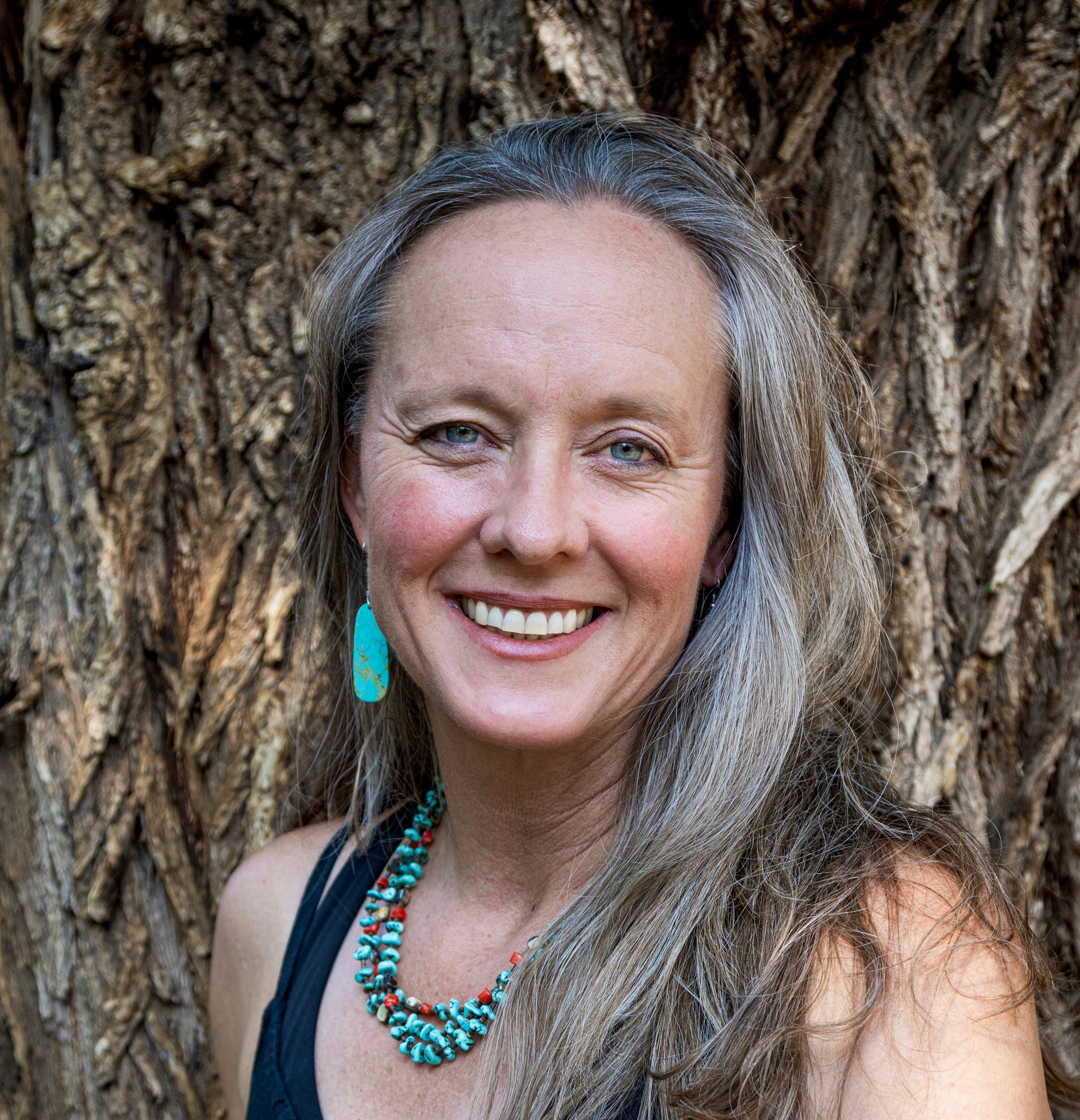
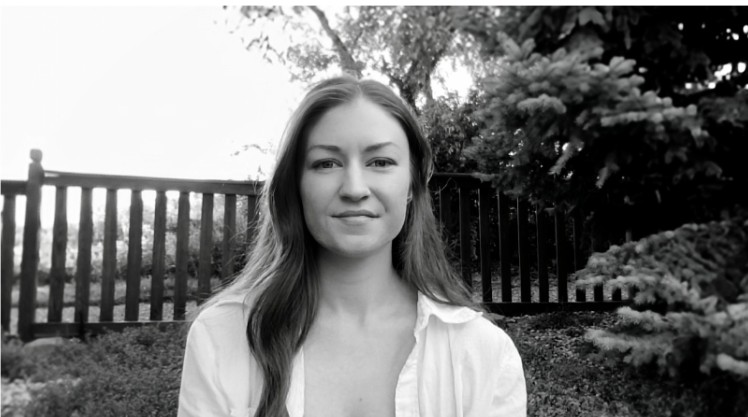
Debra Keane (she/her) is a Denver poet, artist, advocate, social worker, facilitator, and identical twin. She’s written over 1,000 daily poems and simultaneously squirms at and strives for creative vulnerability in her everyday. Her work has been published by Twenty BellowsBeyond the VeilLast LeavesSouth Broadway Press, 40West, and ALA Editions.

I don’t know that writing, art, ​or poetry will save us​, but it can save its individual creators and receivers for a little while. It gives us a way to lean in, to make sense of, to understand what it means to be alive​ in our particular moment, and in all the moments past and in whatever’s coming.

Debra Keane
SBP: WHAT IS FUELING YOUR CREATIVITY RIGHT NOW? WHERE DO YOU FEEL THE MOST CREATIVE?

DK: I am relishing this particular moment in my own brain, heart, and spirit. I have structured my day-to-day to be filled with creative practices and deadlines, so my creativity is fueled by the routine of my commitment to meeting the page/paper/canvas at intervals. It’s such a dang treat to encounter myself over and over again against our backdrop of global and individual pain and joy and grief and knowing and not knowing.

SBP: WHAT MADE YOU FALL IN LOVE WITH POETRY?

DK: Poetry came along in my childhood and broke all the rules of language I was learning in this beautiful, strange, abstracted, and queer way. I’ve always been a listener and observer; poetry gave me a lens to search for the beauty of the world – the poetry of everyday conversation, sound, literature, trees, emotion, thought – all of it. Poetry also has such an efficient impact-to-word ratio! ​G​iving voice to the unmentionable with such brevity. What’s not to love?

SBP: WHO DO YOU HOPE FINDS YOUR POETRY? WHO IS YOUR ART FOR?

DK: I want my poetry to be found by anyone who could read or hear it and go, “huh” in some way. ‘Huh’ could be for a spark of recognition, a moment of delight, a confusion, a reckoning. I love the idea that one of my poems could save my own life and then simply go kiss someone else on the cheek as it passes them by. My art is absolutely for me first: it lets me know if it wants to be shared outside of my audience of one, and then usually won’t shut up until I get it to the right person or people in my life.

SBP: IF YOUR WRITING WERE A KEY, WHAT DOOR WOULD IT UNLOCK, AND WHAT WOULD YOUR READERS FIND ON THE OTHER SIDE?

​DK: My writing is the key to my own existence! By training or happenstance or personality, I have not always paid attention to what my brain/body/spirit is communicating, and so meeting the page every day is the way that I can re-/discover that I do in fact exist and am having a deep human experience that is simultaneously unique and universal. Behind that door, readers would find me and my host of speakers waving at them and shrugging and pointing at everyone and everything with awe.

SBP: WHAT POEM THAT YOU’VE WRITTEN RECENTLY WENT TO A PLACE YOU WEREN’T EXPECTING, OR WHICH WAS THE MOST/LEAST CHALLENGING TO WRITE?

DK: ​My poems have been walloping me with their grief surprises at the bottom of the bag. And then there’s a weird burnt french fry of anger that keeps butting in every few weeks as I write daily. I don’t mind them, though. People perceive me as a really joyful person, and I absolutely am, though I think only because I let grief and The Anger Fry speak in my work.

SBP: WHAT HAS BROUGHT YOU JOY THIS LAST YEAR?

DK: ​Meeting myself again in a really sweet, unrestrained way and embodying a sense of spaciousness. Trees, flowers, my nephews.

SBP: WHAT IS YOUR CURRENT OBSESSION?

​DK: I love my houseplants dearly. They all have names and enjoy visitors.

SBP: WHAT MAKES SOMETHING HARD TO WRITE OR CREATE?

DK: It’s hard to write or create when I have too specific a vision for a project and don’t leave space for the unfolding of what’s underneath what I think I’m trying to say. Or when I’m trying to be clever — oh my gosh, watch out. 

SBP: WHAT IS THE VALUE OF WRITING AND ART IN THE CURRENT STATE OF THE WORLD?

​DK: I don’t know that writing, art, ​or poetry will save us​, but it can save its individual creators and receivers for a little while. It gives us a way to lean in, to make sense of, to understand what it means to be alive​ in our particular moment, and in all the moments past and in whatever’s coming. I love that we can look back and recognize ourselves in the work of the ancients and our contemporaries. What a treat that things have both always sucked and always been amazing — writing and art is the record of that truth.

Book Review: In the Soup by John Calderazzo

BOOK REVIEW:
IN THE SOUP BY JOHN CALDERAZZO

A BOOK REVIEW BY SHELLI ROTTSCHAFER

Calderazzo is an accomplished Nature Writer and emeritus professor within the English Department at Colorado State University, Fort Collins.  In The Soup is his latest poetry collection.  Expressed in three sections Calderazzo relays how he feels, in the soup, in the thick of life-after-retirement on the “Big Day,” as he is “Gathering Voltage,” and one “Windy Day at the Dump.”

Calderazzo begins with his titular poem, “In the Soup” – a psychedelic homage to his inner-man found at the bottom of a can of turkey noodle soup.  Calderazzo ponders the ingredients. What makes a man, what makes the contents of life, what inspires our mindfulness?  The ensuing pages hope to reveal these answers.

PART I: BIG DAY

“Second Coming” wonders about our connection to fading stars and skies laden with floating feathers that cascade like snowfall (13).  Calderazzo takes up his lament for extinct and endangered species.  The Passenger pigeon, “that once blocked the sun” now, “bearing down on oblivion” (13).  Will their eradication be the future for howling wolves and roaring grizzlies?  The same goes for unshackled rivers, and sludge gray oceans.  What will their fate be as climate change deepens?  Some may deny these cause-and-consequence actions but, “even the wind-bitten crew of / the farthest-out whale boat… began to comprehend / what we had done” (14).  

In “The Secret Life of Mountains: Front Range of the Rockies,” Calderazzo explicates his home-place in a meditation of tercets:

Deep in,
a lupine meadow
scored with trails

softens, mists over,
dousing spot-fires
of glacier lilies (33).

It is Spring. The Front Range is emerging into new life.  The:

Pasque flowers
close their petals
like eyelids folding (33)

into meditation,
relieved from 
the trespass (34)

This is Calderazzo’s means of telling his reader to “Go lite” and “Think Like a Mountain” as Aldo Leopold implores.  Yet to also take on John Muir’s challenge, “The mountains are calling and I must go,” but do so with care in order to preserve their beauty, and to protect them from “boot scrape” and drone’s “beauty-lust” (34).

PART II: GATHERING VOLTAGE

“Way Stones” told in three numbered stanzas stories acts of subtle environmental activism.  Beginning with his friend who knocks over cairns – the way stones marking paths on trails.  His friend, who shakes his head in disgust and kicks the keystones which topple in disarray, demonstrating that he prefers, like Robert Frost, to take the road less travelled by.  However, Calderazzo actually doesn’t mind them.  The stone pyres, “suggest a tall dance / with gravity” marking where, “The trail / goes this way… [and] Death is that way” (43).  Calderazzo notes that in other lands, cairns value prayer, offer blessing, and lead the way, “A last ride / through the stars,” which is entirely a different matter.

Author John Calderazzo

PART III: WINDY DAY AT THE DUMP

“Windy Day at the Dump” is a necro-pastoral poem which details environmental decline’s  connection to humanity by listing the things discarded within a landfill.  The poem documents Calderazzo’s personal letting-go of things and moments in his life that now decay within the dump’s depths.  Medical records of a last parent to die, the draft of a youthful novel too embarrassing to recycle, love letters, a broken wall clock, a fizzling floor lamp.  These objects mark his passing of time and are his mile markers of maturation.  They are the cairns that lead the way to his end flight (68-69).

Calderazzo’s closing poem of his collection, “Passing through” is his quest through Wingo, Kentucky in search of his final resting place.  However, “The casket shop has moved” and so he decides to, “pass on a casket, thank you.”  Instead he chooses for his final destination to be a “high flower valley” surrounded by “peaks of snowlit fire.”  He prefers for his ashes to “zephyr off while friends & family / lift their arms & sing” (87).  And in this way those who would remember him, mimic his chosen poetic lineage as they burst into a Whitman-like mighty yawp.

Calderazzo’s collection, In The Soup (2025) by Middle Creek Publishing & Audio nods to his literary community and those who came before him.  Through this gathering, he enters their company, and encourages others to tell their stories, communicate to the public about the importance of wilderness preservation, and find those ancient cairns while trekking among high mountains around the world.

IN THE SOUP

BY JOHN CALDERAZZO

AVAILABLE NOW!

Shelli Rottschafer (she / her / ella) completed her doctorate from the University of New Mexico, Albuquerque (2005) in Latin American Contemporary Literature. From 2006 until 2023 Rottschafer taught at a small liberal arts college in Grand Rapids, Michigan as a Professor of Spanish. She also holds an MFA in Creative Writing with a concentration in Poetry and coursework in Nature Writing from Western Colorado University (2025).

Shelli’s home state is Michigan, yet her wanderlust turns her gaze toward her new querencia within the Mountain West where she lives, loves, and writes in Louisville, Colorado and El Prado, Nuevo México with her partner, photographer Daniel Combs and their Pyrenees-Border Collie Rescue. 

Discover more of Shelli’s work at: www.shellirottschaferauthor.com

2026 Pushcart Prize Nominations

We are incredibly excited to announce South Broadway Press‘ 2026 Pushcart Prize nominations! Please join us in celebrating these wonderful poets.

The Pushcart Prize: Best of the Small Presses series, published every year since 1976, is the most honored literary project in America – including Highest Honors from the American Academy of Arts and Letters.

Since 1976, hundreds of presses and thousands of writers of short stories, poetry and essays have been represented in our annual collections. Each year most of the writers and many of the presses are new to the series. Every volume contains an index of past selections, plus lists of outstanding presses with addresses.

The Pushcart Prize has been a labor of love and independent spirits since its founding. It is one of the last surviving literary co-ops from the 60’s and 70’s.

Pushcart Prize Nominees

FROM SOUTH BROADWAY PRESS’ SUMMER & AUTUMN 2025 EDITIONS

One Foot in the New Year

BY LEO ROSE RODRIGUEZ

Geranium

BY ASPEN EVERETT

Scribe

BY T. LYDIA MCKINNEY

Three Poems // Wheeler Light

Image: Louis K. Harlow

I DO NOT CARE IF YOU ARE ACROSS THE COUNTRY

BY WHEELER LIGHT

or down the country, or around the country.
The country, an exercise in understanding the space

of the country. I do not care if you are my friend
or my best friend or a collection of memories

I can talk to about the memories you are.
I do not care about meaning or anger

or hope or apocalypse when I care about laughter.
I do not care if it makes sense to call you

too many times in a day until you pick up
to tell you a joke you will like and laugh and laugh.

What I care about is distance as a measure
of effort to overcome said distance. If the distance

between us is the country, then the effort
is the world. You are a world away. I am

a world away. When I stare into the middle
of nowhere, you are there laughing at the joke

I traveled around the world to tell you.

THE BAD NEWS

BY WHEELER LIGHT

You wake up
knowing nothing.

The day, the shape
of a chrysanthemum

bell. Unraveling
is the start

of eventually hoping.
Oh, I too mistake

disaster
for salvation.

I take my medication
the same as anyone else,

staring at myself
in the bathroom mirror

to see what I recognize.
My actions reflected—

the bad news
is the actions.

The good news
is the reflecting.

Mistaking the self
for its consequences.

Mistaking the self
for anything at all.

The bad news
is the self.

The good news
is waiting at the end

of the illuminating
hallway of you.

SAWMILL RUN

BY WHEELER LIGHT

Writing about a mountain
because there is a mountain.

Photographs of the mountain
capture more than words

can carve out of enjambment’s
live edge. Oranges and reds

at the end of fall litter
my eyes with the image

I try to translate into imagery.
Can’t you see the green

peeking between naked birch
trees? The sun reflecting off

the fog blanketing everything?
A photograph is a headstone

which mourns the moment
it was taken. Up the road,

there is another overlook
and another. Different angles

to view the jagged document
of time, these peaks erupting

and softening over enough millennia,
their existence nearly makes you forget

dry brush, pipelines, controlled
burns, doe crossing the road doesn’t

make it. The present, a cloud of smoke
invisible behind the cliff in the distance.

Writing about the earth
because there is the earth

cracking its knuckles
and arching its back.

At the overlook, I get out of the car
and step on a pile of broken glass.

Wheeler Light received his MFA in creative writing from University of Virginia. His work has appeared or is forthcoming in Tupelo Quarterly, Barely South, and Allium, among other publications. You can find his poems at www.wheelerlight.net.

Mending Bones // Hillary Gonzalez

Image: Matt Artz

MENDING BONES

BY HILLARY GONZALEZ

In college, I sat in a room, painfully
lit by the overhead fluorescents,
at an uncomfortable desk meant
for someone much shorter than me,
listening to my Anthropology professor,
as he asked a room full of half-awake
students, what the first evidence of civilization was.
It was a test, which most people failed.
One intrepid student answered Egypt,
another offered the presence of agriculture,
others stared blankly–waiting for an answer.
It was a broken bone, he said.
Thousands of years ago,
a human broke their femur–
that long bone connecting hip to knee.
Had they been an animal,
they would have been left,
weakened and alone,
And as the day shortened
into the terrors of a wild night,
other animals would have crept in, no doubt,
circled around them, picking
them off as the weakest in the herd.
But this human was cared for.
Their bone was mended.
This was the pivotal sign that other humans
had wanted to care for them,
had perhaps thought of them as family,
had perhaps loved them.
Today, as I scroll on my phone,
I see video after video
of people begging to be seen as human,
of children whose limbs were blown off,
of people with no homes
holding up signs that say, “hungry,”
and I wonder if we can
still call ourselves a civilization?
Somewhere along the line,
perhaps when we traded
oral tradition for computer screens,
and living off what the earth
so readily wants to give to us,
for speedy factory convenience,
we forgot about the human
with the broken femur.
we forgot that deep down in our lineage,
we share the same tree roots.
now, I see signs in my city
as people march down the street,
saying “Jesus was a refugee,”
and I wonder if the people
yelling at the ones protesting
to protect our siblings,
would they even recognize
the face of their god,
if he were holding up a sign
in that same crowd,
demanding the deportations stop.
When did we lose our humanity?
What will it take for us
to see the value in mending
bones again–not for profit,
but because it’s what the spirit needs?

Hillary Gonzalez (she/they) is a Baltimore based queer, disabled, and AuDHD poet, whose work explores themes of eco-consciousness and reconnecting with the land, identity, and healing. They are the authors of Seasons and Wild Unfelt World, a collection of eco-poetry coming in 2026 from Gnashing Teeth Publishing. Their poems have been published by South Broadway Press, and in anthologies by Bi+ Book GangYellow Arrow Publishing, Loblolly Press’ zine: Understory, a fundraising anthology for the victims of Hurricane Helene, and In Praise of Despair, an anthology for disabled artists by Beyond the Veil Press.

SUN IN YOUR EYES // Azalea Aguilar

Image: Siora

SUN IN YOUR EYES

BY AZALEA AGUILAR

(Dad is wiping frantically at the windshield
condensation catching up
we are blind to the road ahead)

My therapist is wearing teal glasses today
When did this begin for you?
she lifts the wire frames
gently off the cushion of her cheek
pushing them closer to sight
was there a time before, I wonder
have I always been
meticulously watching
contemplating movement
sirens from school chairs
calculating distance
traveling closer or further
like counting seconds
between lightning and thunder
one one thousand
two one thousand
three one thousand
anticipating arrival
creak of a wooden floor
boots land heavy
do they shuffle or drag
are they staggered or constant
is he coming or going
slamming of a screen door
angry or rushed
in or out
her or him
idling in front of a fridge
hunger or thirst
boredom or pleasure
is it the beginning or the end
I tell her I can’t
remember
a time before

Azalea Aguilar is a Chicana poet from South Texas, gulf scents and childhood memories linger in her work. Her poetry delves into complexities of motherhood, echoes of trauma, and resilience found in spaces shaped by survival. Her work has appeared in Angel City Review, The Skinny Poetry Journal, and The Acentos Review.

Two of Cups // Erica Reid

Image: he zhu

TWO OF CUPS

BY ERICA REID
Even the  lions sprout  wings 
in a dream this desperate,
the one you begged for,
early bedtimes & lucid
machinations. Here, you
finally have it — if only in
a watery fog already
dissipating. For now it is
yours: harmony true as a
caduceus, clarity regular as
day. The dream’s central
art: your riven heart, the
other half given away.

Erica Reid is the author of Ghost Man on Second, winner of the Donald Justice Poetry Prize (Autumn House Press, 2024). Erica’s poems appear in Rattle, Cherry Tree, Colorado Review, and more. ericareidpoet.com

salmon run // Dara Goodale

Image: Ľudovít Varga

SALMON RUN

BY DARA GOODALE
every year     the air turns cold 
& trees catch fire—orange embers
glow backlit by pale
autumn sun
it is time to migrate

saltwater salmon go home
to the rivers of their youth
travel in leaps
of scales that shimmer
in afternoon light
the vice-grip of evolution
commands them to procreate
its primal hands tight
around slippery throats
most of them will not survive
the journey is high-risk
uphill battle they swim upstream
in the rush of current many are lost
there is no time to mourn

when they hit freshwater
salmon deny the need to eat
their bodies nothing but empty
vessels meant to sire new
offspring in sacred genesis
those who make it to the gravel beds
where they were born
lay their eggs & wait
for death—

pulled back
by invisible thread
salmon give up the free
expanse of ocean
where the world is boundless
for a wet grave—
they renounce the promise
of future & return to birthplace
where they die
martyrs
for their species
with no one left
to grieve them

Dara Goodale (they/she) is a Romanian-American lesbian, poet, and university student living in Lausanne, Switzerland. Their work has appeared or is forthcoming in the American Poetry Journal, Cleaver Magazine, Thimble Literary Magazine, Underbelly Press, The Passionfruit Review, and more.

Decomposure // Two Poems by Maple Scoresby

Image: Annie Spratt

A TRANS GIRL VISITS HER FAMILY

BY MAPLE SCORESBY
Hiding in the single stall men's room,
I try to reach out for help.
But there is no service
in this backwoods temple, and
the wifi is password protected.

With a sigh I leave the safety
of the small room and locked door
to wade into the sea of blood
relatives pouring into the pews,
and slide into my saved seat.

Standing at the podium,
the Elder gestures to the body
of my dead grandfather;
starting the eulogy
by praising the Church.
-
In two years my
grandmother will also be
eulogized by this same
Elder, who is her brother
by mother and by faith.

Just as bereft as the rest
of the congregation,
he will use her death
to accuse the left for
the downfall of our nation.

I won't attend in person
but my mother will send me
the recording and I will see
the world is ending
and I am the one to blame.
-
Here and now, the Elder invites
others to share, admitting
my grandfather had his flaws
and reminding us, it isn’t the time
to speak ill of the dead.

A long silence before
a Brother stands and speaks
on how active he was in the church,
these last months and weeks. Nods
of agreement flood the foyer.

At the social after the ceremony,
I trace footsteps of my past life;
as people who refuse to know me
give conditional condolences to
the person that I used to be.

CRAB APPLES

BY MAPLE SCORESBY

Unsupervised grandchildren gather
around a row of crab apple trees,
picking the bitter browning fruit off
the ground around the tree’s roots;
too young and small to grab the
pristine bright green apples, hanging
high in the branches of the tree.

The kids don’t mind though. They
know that if they root around enough
in the mush decomposing by their feet,
eventually they will find a crisp bite
of emerald, sour enough to make
their faces crinkle up just as
good as any high hanging fruit.

Maple Scoresby (she/her) is a Denver poet who tends to deposit her paychecks into the local claw machines instead of the bank. Her poetry tackles topics like gender identity, double standards, and pizza sauce. In her spare time, Maple likes to cry about how terrible she is at Street Fighter while drinking an obscene amount of eggnog.