Human Nature | Leighton Schreyer

Image: Maxime Valcarce

Human Nature

Do not say that you do not see what I see.
Do not say that you do not feel the walls closing in on you, that
you do not hear the click of the key turning, locking you in a box like a coffin, because

nothing is as simple as it seems.

Beyond the borders of those boxes that
sort skin like laundry into darks and lights, coloured or white,
telling tales about the danger posed by a single soot black sweater, hood pulled high,
or a dress, red as blood, thrown in with crisp white sheets because

it only takes one drop;

at the limits of those labels that
reduce people to chemical structures, to nothing but an arrangement of atoms
on one side of a double bond — cis, as in same, ordinary, natural, normal —
or the other — trans, as in different, unlike in nature, form, or quality,

unintelligible and illusory as such;

in between that fractured love that
physicians tried (in vain) to set straight before issuing diagnoses
of sexual deviation — sociopathic personality disturbances to be treated and tamed,
banished to bathhouses first, then bedrooms, now stashed away in closets and being

dared to come out;

within those colossal cracks that
some try to seal with pity, others with prayer, asking God for a miracle, a cure,
something to ease the suffering and numb the pain they attribute to being broken because
they cannot see the sunlight seeping through the cracks, cannot understand that

there is beauty in breaking;

there, in the spaces beyond and inbetween,
at the edges of perception where people are othered and alienated, separated and segregated,
where borders are built with walls made of bricks, not straw or sticks because
there, a harmonious wind howls at the rising moon and life dances with liminality like

humans with nature.

Leighton Schreyer (he/they): is a queer, trans*, disabled writer and poet based out of Toronto who describes themselves as fundamentally unsatisfied with the status quo. Through their writing, Leighton strives to see the unseen and hear the unheard, to make the invisible visible and tell the untold. They use their writing as a tool for activism and empowerment, challenging readers to reflect on the biases and assumptions that shape worldviews. As a current medical student, Leighton is particularly interested in the intersection of health, arts, and the humanities, and is passionate about using stories, storytelling, writing, and poetry as powerful tools for healing and connection.

ask again later | Danni Bergen

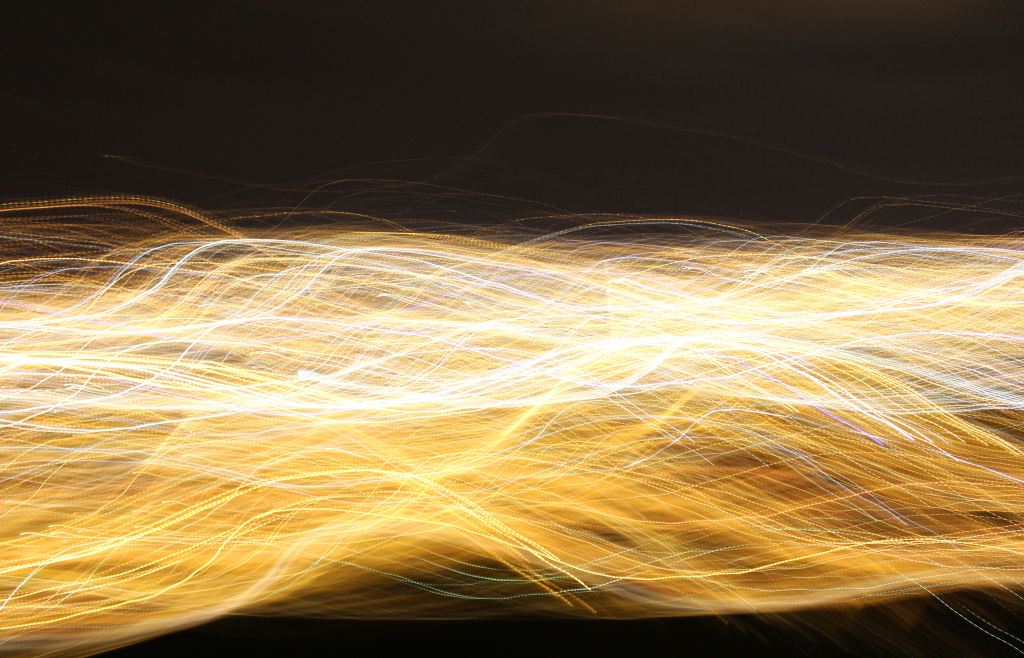
Image: Irina Iriser

ask again later

IT IS GETTING DARK ON MY BODY AND I CAN NO LONGER SEE MY FINGERTIPS. MY GENDER IS NOT AFRAID OF THE DARK. MY BODY IS AFRAID OF EVERYTHING. MY GENDER ALWAYS CARRIES MACE IN ITS POCKET AND KEYS BETWEEN ITS FINGERS. MY BODY SLEEPS SOMETIMES BUT MY GENDER IS ALWAYS AWAKE. WE EAT TOGETHER, AT THE SAME TABLE, BUT THE FOOD IS DIFFERENT ON EACH PLATE. WE TRY A LITTLE OF EACH OTHER’S MEALS, FEELING WHAT FUELS THE OTHERS FUEL US TOO. I AM DISTRACTED BY MY BODY, MY BODY IS DISTRACTED BY MY GENDER, AND MY GENDER IS DISTRACTED BY LIGHT, AIR, AND THE ENERGY LEFT IN THE ROOM ONCE EVERYONE LEAVES. MY GENDER IS DRY ROSE PETALS, AND WIND, AND THE SPINNING FEELING IN YOUR GUT ONCE WE’VE LOCKED EYES. SUMMER IS GONE BUT WINTER IS JUST AS LONELY. AT LEAST AT NIGHT MY COMFORTER MAKES THE SHAPE OF YOUR BODY NEXT TO ME AND WHEN I CLOSE MY EYES I CAN STILL SMELL YOU. OUR GENDERS ARE FRIENDS, IN THE REALM WHERE ONLY GENDERS LIVE, THEY DANCE AND TALK AND SHARE SMOKES OUT OF THEIR BEDROOM WINDOWS, LIGHTING INCENSE TO HIDE THE EVIDENCE. MY GENDER IS THE FLOATING PYRAMID IN THE PURPLE WINDOW OF A MAGIC 8 BALL: SHAKEN, FULL OF ANSWERS, AND SLIGHTLY FROTHY. MY BODY IS JUST AS FROTHY, BUT FILLED WITH QUESTIONS, INSTEAD. EITHER ONE WILL ONLY TELL THE DIVINE TRUTH.

Danni Bergen (they/them) is a poet, photographer, and artist who was born and raised in Denver but has recently relocated to Butte, Montana to try living a little slower on for size. They have an Associate’s of Arts in Theatre from the Community College of Aurora and a Bachelor’s degree in Interdisciplinary Studies with concentrations in creative writing, visual art, and performance from Naropa University. You can see more of their work on dannithealien.com. @dannithealien on Instagram

Genesis – Philip Matthews

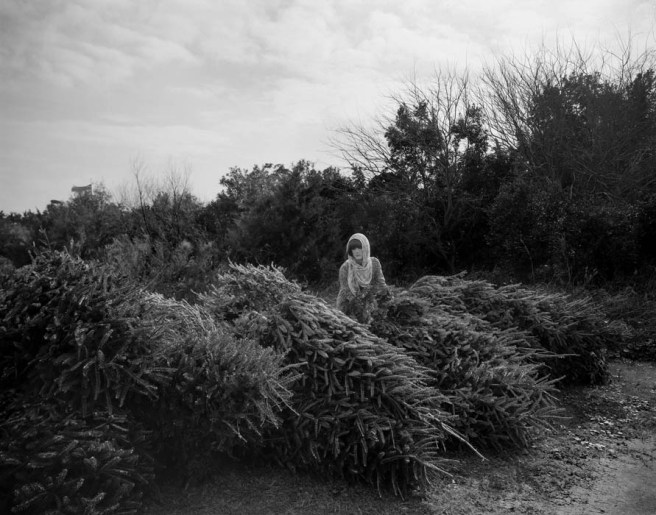
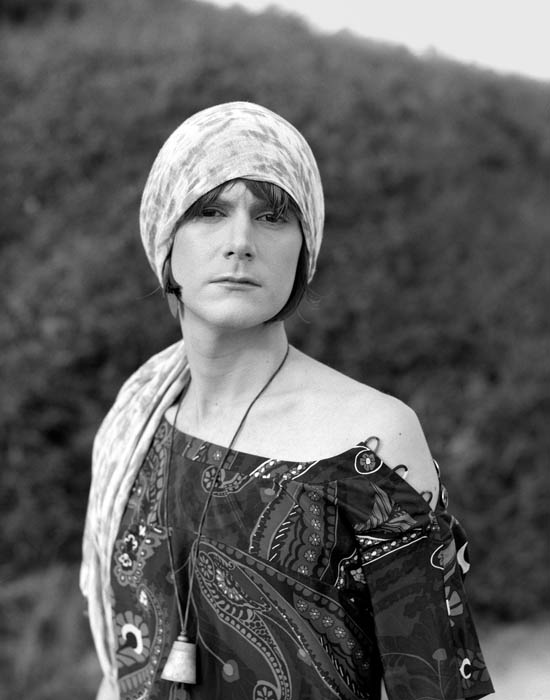
NC048 © D. Johnson, courtesy of the Colorado Photographic Arts Center

Flutter at no wide open mind.

I did not think like an individual eyelash. 

I did not move in the hourglass house, 

perpetuating itself of flashes of quicksilver of fish-knives. My parents. 

When the sermon was streamed in the old South, it was creamy, a small amount amounting. 

Whatever I thought of / against me, little queer hook, I was writing on my centurial skull. 

Until something ovarian. A tucked testicle. I felt her tapping, almost at full plank: Petal.


Philip Matthews is the author of “Witch” (Alice James Books, 2020) and “Wig Heavier Than a Boot” (Kris Graves Projects, 2019), a collaboration with David Johnson. A poet from eastern North Carolina, he currently resides in Sauk County, Wisconsin where he is Director of Programs at Wormfarm Institute. Up to this point, his practice has anchored in site-specific meditation and performance: he is curious about what happens next. philipandpetal.com / @philipandpetal

The Colorado Photographic Arts Center has an exhibition Aug 14- Sept 23, 2020. The Space Between explores issues of queer identity, sexuality, and relationships through the works of three contemporary artists, including two photographers and a poet.  In “Through the Lens of Desire,” Kris Sanford uses vintage photography from the 1920s – 1950s to explore an imagined queer history. “Wig Heavier Than a Boot,” is a collaboration of poetry and images that reveals Petal, a persona whom Philip Matthews manifests to write about and David Johnson photographs.