Editor Interviews // Chris Bullock

CHRIS BULLOCK

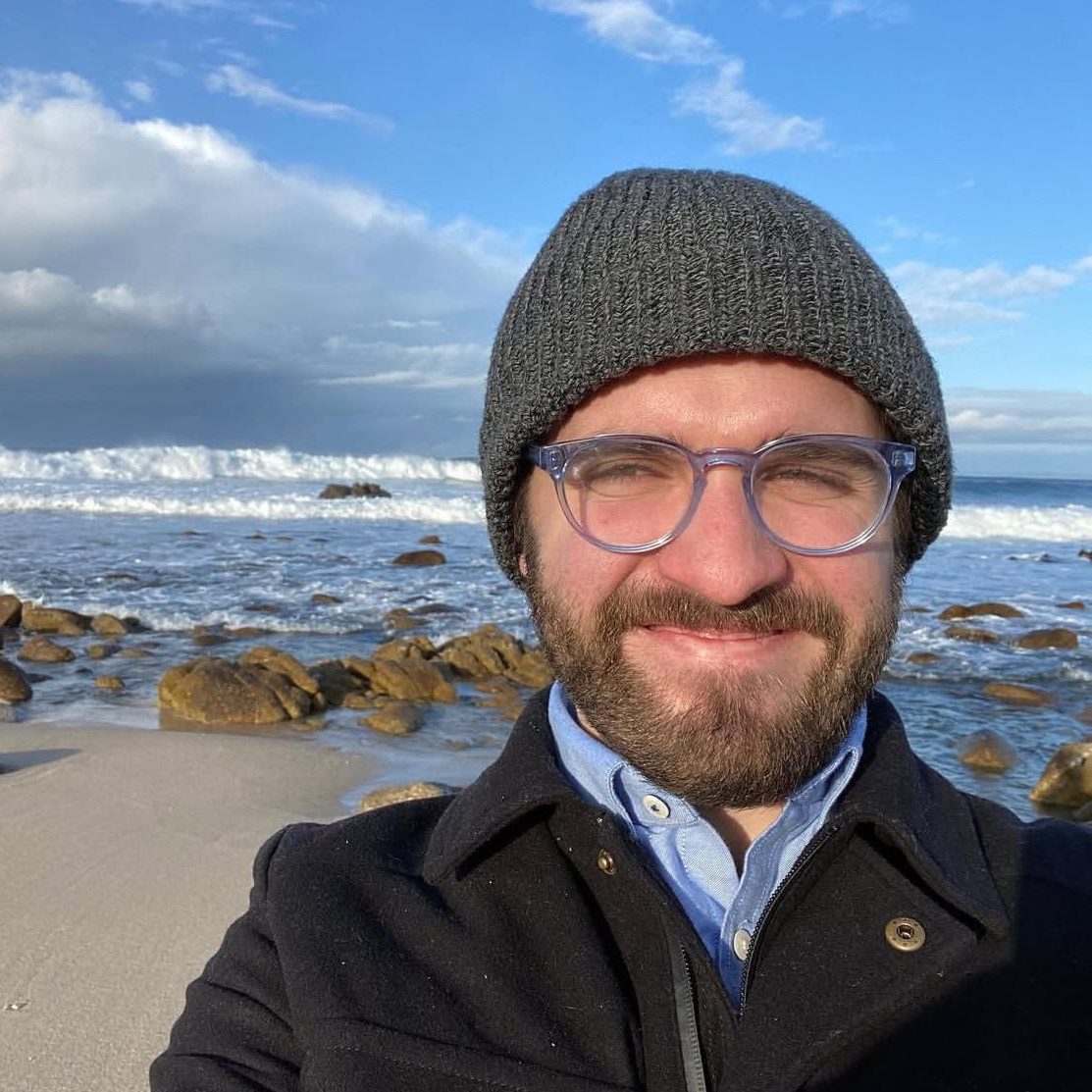
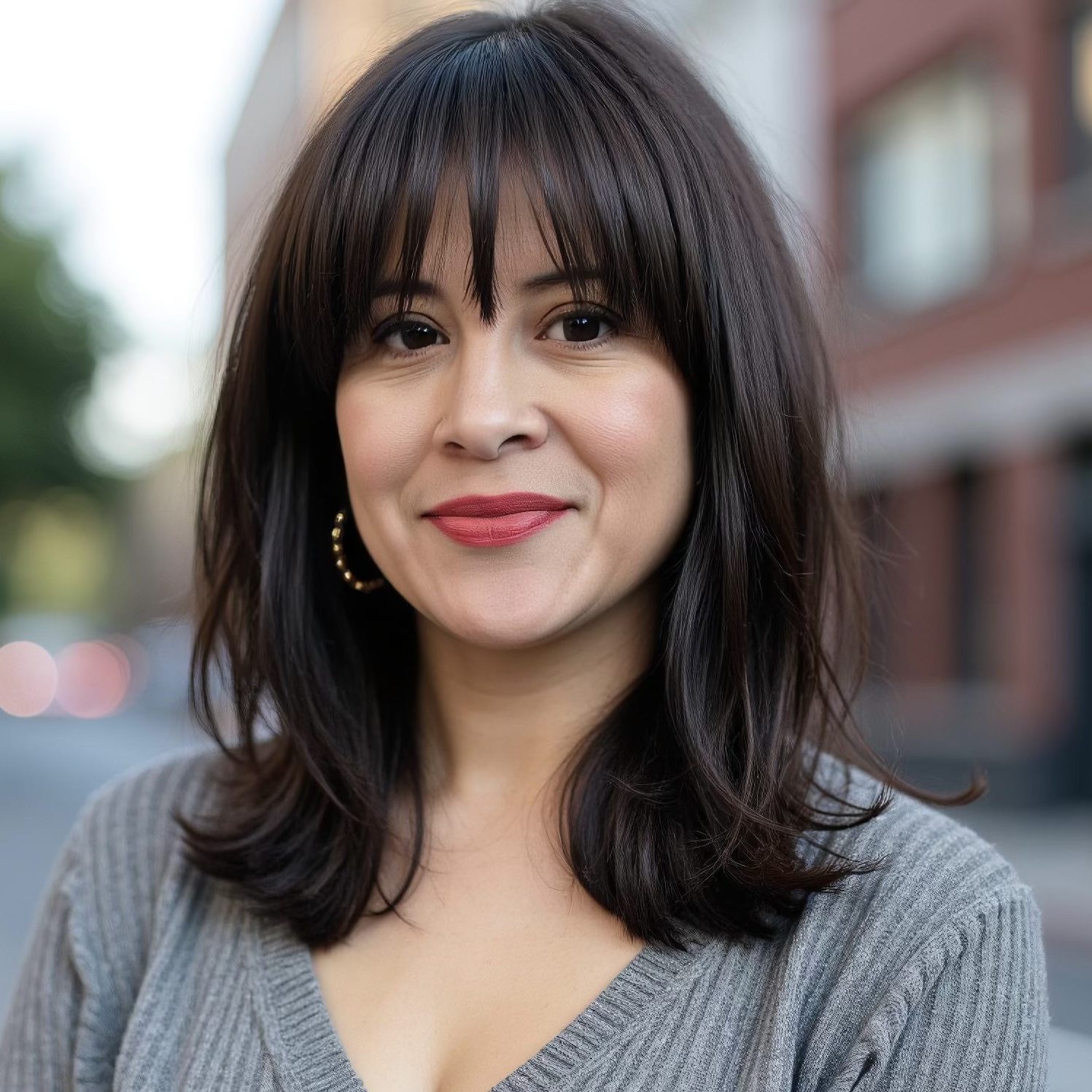
Chris Bullock, otherwise known as Tall City, has self published a few volumes of his work, and has been presenting his poetry at open mics and showcases for quite some time now, even reading for audiences with a rudimentary grasp of English. He has written and been published by South Broadway Press, has displayed art and curated exhibitions at The Lab on Santa Fe, has toured the country a few times with The Nicotine Fits, has sung his poetry inspired lyrics along his autoharp at venues and open mics, has spun original beats for freestyle rappers in Colorado and New Mexico, has studied in China on scholarship from community college, among other activities, and has recently decided to get a little more serious and diligent about something.

Writing is a way to formulate an ideal thought that is fluid and perfect from beginning to end. Some readers find life and emotion in it, others find some kind of death and a doubt of self.

Chris Bullock
SBP: WHAT IS FUELING YOUR CREATIVITY RIGHT NOW? WHERE DO YOU FEEL THE MOST CREATIVE?

CB: I feel the most creative when I am bored and my thoughts start playing around.

SBP: WHAT MADE YOU FALL IN LOVE WITH POETRY?

CB: Failing at almost everything else I have tried.

SBP: WHO DO YOU HOPE FINDS YOUR POETRY? WHO IS YOUR ART FOR?

CB: I am not sure people will find my poetry and I usually write it to get it out of my head, and if I think it’s pretty cool, then I leave the apartment and go share it with someone, and I am not too concerned with whether they like it or not.

SBP: IF YOUR WRITING WERE A KEY, WHAT DOOR WOULD IT UNLOCK, AND WHAT WOULD YOUR READERS FIND ON THE OTHER SIDE?

CB: Writing is a way to formulate an ideal thought that is fluid and perfect from beginning to end. Some readers find life and emotion in it, others find some kind of death and a doubt of self.

SBP: WHAT POEM THAT YOU’VE WRITTEN RECENTLY WENT TO A PLACE YOU WEREN’T EXPECTING, OR WHICH WAS THE MOST/LEAST CHALLENGING TO WRITE?

CB: A poem about the many elements of my diverse background, which felt like a rant, but the outcome was that it was praised as one of my best.

SBP: WHAT HAS BROUGHT YOU JOY THIS LAST YEAR?

CB: Sleeping really well, I forget when it was.

SBP: WHAT IS YOUR CURRENT OBSESSION?

CB: Accumulating enough money to afford Denver rent and stay off the street. Otherwise, Colombian style salsa dancing, boleros, reading books in languages I don’t fully understand, and eavesdropping on strangers on public transit.

SBP: WHAT MAKES SOMETHING HARD TO WRITE OR CREATE?

CB: Reluctance and avoidance.

SBP: WHAT IS THE VALUE OF WRITING AND ART IN THE CURRENT STATE OF THE WORLD?

CB: Fairly low but as George Wallace, poet laureate of Suffolk County confided to me, “Poetry is a vow of poverty.”

Editor Interviews // Debra Keane


DEBRA KEANE

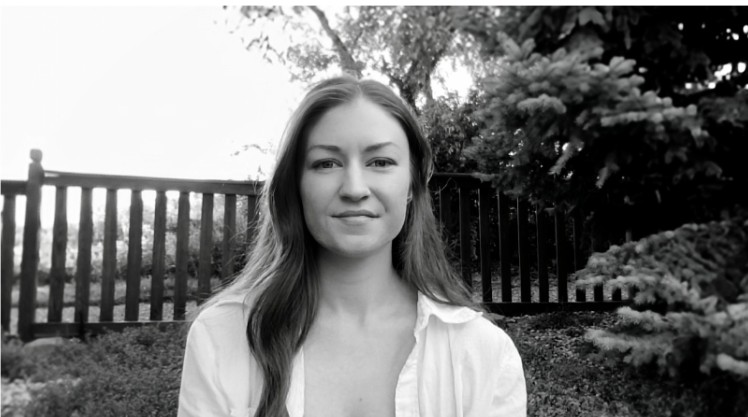
Debra Keane (she/her) is a Denver poet, artist, advocate, social worker, facilitator, and identical twin. She’s written over 1,000 daily poems and simultaneously squirms at and strives for creative vulnerability in her everyday. Her work has been published by Twenty BellowsBeyond the VeilLast LeavesSouth Broadway Press, 40West, and ALA Editions.

I don’t know that writing, art, ​or poetry will save us​, but it can save its individual creators and receivers for a little while. It gives us a way to lean in, to make sense of, to understand what it means to be alive​ in our particular moment, and in all the moments past and in whatever’s coming.

Debra Keane
SBP: WHAT IS FUELING YOUR CREATIVITY RIGHT NOW? WHERE DO YOU FEEL THE MOST CREATIVE?

DK: I am relishing this particular moment in my own brain, heart, and spirit. I have structured my day-to-day to be filled with creative practices and deadlines, so my creativity is fueled by the routine of my commitment to meeting the page/paper/canvas at intervals. It’s such a dang treat to encounter myself over and over again against our backdrop of global and individual pain and joy and grief and knowing and not knowing.

SBP: WHAT MADE YOU FALL IN LOVE WITH POETRY?

DK: Poetry came along in my childhood and broke all the rules of language I was learning in this beautiful, strange, abstracted, and queer way. I’ve always been a listener and observer; poetry gave me a lens to search for the beauty of the world – the poetry of everyday conversation, sound, literature, trees, emotion, thought – all of it. Poetry also has such an efficient impact-to-word ratio! ​G​iving voice to the unmentionable with such brevity. What’s not to love?

SBP: WHO DO YOU HOPE FINDS YOUR POETRY? WHO IS YOUR ART FOR?

DK: I want my poetry to be found by anyone who could read or hear it and go, “huh” in some way. ‘Huh’ could be for a spark of recognition, a moment of delight, a confusion, a reckoning. I love the idea that one of my poems could save my own life and then simply go kiss someone else on the cheek as it passes them by. My art is absolutely for me first: it lets me know if it wants to be shared outside of my audience of one, and then usually won’t shut up until I get it to the right person or people in my life.

SBP: IF YOUR WRITING WERE A KEY, WHAT DOOR WOULD IT UNLOCK, AND WHAT WOULD YOUR READERS FIND ON THE OTHER SIDE?

​DK: My writing is the key to my own existence! By training or happenstance or personality, I have not always paid attention to what my brain/body/spirit is communicating, and so meeting the page every day is the way that I can re-/discover that I do in fact exist and am having a deep human experience that is simultaneously unique and universal. Behind that door, readers would find me and my host of speakers waving at them and shrugging and pointing at everyone and everything with awe.

SBP: WHAT POEM THAT YOU’VE WRITTEN RECENTLY WENT TO A PLACE YOU WEREN’T EXPECTING, OR WHICH WAS THE MOST/LEAST CHALLENGING TO WRITE?

DK: ​My poems have been walloping me with their grief surprises at the bottom of the bag. And then there’s a weird burnt french fry of anger that keeps butting in every few weeks as I write daily. I don’t mind them, though. People perceive me as a really joyful person, and I absolutely am, though I think only because I let grief and The Anger Fry speak in my work.

SBP: WHAT HAS BROUGHT YOU JOY THIS LAST YEAR?

DK: ​Meeting myself again in a really sweet, unrestrained way and embodying a sense of spaciousness. Trees, flowers, my nephews.

SBP: WHAT IS YOUR CURRENT OBSESSION?

​DK: I love my houseplants dearly. They all have names and enjoy visitors.

SBP: WHAT MAKES SOMETHING HARD TO WRITE OR CREATE?

DK: It’s hard to write or create when I have too specific a vision for a project and don’t leave space for the unfolding of what’s underneath what I think I’m trying to say. Or when I’m trying to be clever — oh my gosh, watch out. 

SBP: WHAT IS THE VALUE OF WRITING AND ART IN THE CURRENT STATE OF THE WORLD?

​DK: I don’t know that writing, art, ​or poetry will save us​, but it can save its individual creators and receivers for a little while. It gives us a way to lean in, to make sense of, to understand what it means to be alive​ in our particular moment, and in all the moments past and in whatever’s coming. I love that we can look back and recognize ourselves in the work of the ancients and our contemporaries. What a treat that things have both always sucked and always been amazing — writing and art is the record of that truth.

Three Poems // Wheeler Light

Image: Louis K. Harlow

I DO NOT CARE IF YOU ARE ACROSS THE COUNTRY

BY WHEELER LIGHT

or down the country, or around the country.
The country, an exercise in understanding the space

of the country. I do not care if you are my friend
or my best friend or a collection of memories

I can talk to about the memories you are.
I do not care about meaning or anger

or hope or apocalypse when I care about laughter.
I do not care if it makes sense to call you

too many times in a day until you pick up
to tell you a joke you will like and laugh and laugh.

What I care about is distance as a measure
of effort to overcome said distance. If the distance

between us is the country, then the effort
is the world. You are a world away. I am

a world away. When I stare into the middle
of nowhere, you are there laughing at the joke

I traveled around the world to tell you.

THE BAD NEWS

BY WHEELER LIGHT

You wake up
knowing nothing.

The day, the shape
of a chrysanthemum

bell. Unraveling
is the start

of eventually hoping.
Oh, I too mistake

disaster
for salvation.

I take my medication
the same as anyone else,

staring at myself
in the bathroom mirror

to see what I recognize.
My actions reflected—

the bad news
is the actions.

The good news
is the reflecting.

Mistaking the self
for its consequences.

Mistaking the self
for anything at all.

The bad news
is the self.

The good news
is waiting at the end

of the illuminating
hallway of you.

SAWMILL RUN

BY WHEELER LIGHT

Writing about a mountain
because there is a mountain.

Photographs of the mountain
capture more than words

can carve out of enjambment’s
live edge. Oranges and reds

at the end of fall litter
my eyes with the image

I try to translate into imagery.
Can’t you see the green

peeking between naked birch
trees? The sun reflecting off

the fog blanketing everything?
A photograph is a headstone

which mourns the moment
it was taken. Up the road,

there is another overlook
and another. Different angles

to view the jagged document
of time, these peaks erupting

and softening over enough millennia,
their existence nearly makes you forget

dry brush, pipelines, controlled
burns, doe crossing the road doesn’t

make it. The present, a cloud of smoke
invisible behind the cliff in the distance.

Writing about the earth
because there is the earth

cracking its knuckles
and arching its back.

At the overlook, I get out of the car
and step on a pile of broken glass.

Wheeler Light received his MFA in creative writing from University of Virginia. His work has appeared or is forthcoming in Tupelo Quarterly, Barely South, and Allium, among other publications. You can find his poems at www.wheelerlight.net.

Mending Bones // Hillary Gonzalez

Image: Matt Artz

MENDING BONES

BY HILLARY GONZALEZ

In college, I sat in a room, painfully
lit by the overhead fluorescents,
at an uncomfortable desk meant
for someone much shorter than me,
listening to my Anthropology professor,
as he asked a room full of half-awake
students, what the first evidence of civilization was.
It was a test, which most people failed.
One intrepid student answered Egypt,
another offered the presence of agriculture,
others stared blankly–waiting for an answer.
It was a broken bone, he said.
Thousands of years ago,
a human broke their femur–
that long bone connecting hip to knee.
Had they been an animal,
they would have been left,
weakened and alone,
And as the day shortened
into the terrors of a wild night,
other animals would have crept in, no doubt,
circled around them, picking
them off as the weakest in the herd.
But this human was cared for.
Their bone was mended.
This was the pivotal sign that other humans
had wanted to care for them,
had perhaps thought of them as family,
had perhaps loved them.
Today, as I scroll on my phone,
I see video after video
of people begging to be seen as human,
of children whose limbs were blown off,
of people with no homes
holding up signs that say, “hungry,”
and I wonder if we can
still call ourselves a civilization?
Somewhere along the line,
perhaps when we traded
oral tradition for computer screens,
and living off what the earth
so readily wants to give to us,
for speedy factory convenience,
we forgot about the human
with the broken femur.
we forgot that deep down in our lineage,
we share the same tree roots.
now, I see signs in my city
as people march down the street,
saying “Jesus was a refugee,”
and I wonder if the people
yelling at the ones protesting
to protect our siblings,
would they even recognize
the face of their god,
if he were holding up a sign
in that same crowd,
demanding the deportations stop.
When did we lose our humanity?
What will it take for us
to see the value in mending
bones again–not for profit,
but because it’s what the spirit needs?

Hillary Gonzalez (she/they) is a Baltimore based queer, disabled, and AuDHD poet, whose work explores themes of eco-consciousness and reconnecting with the land, identity, and healing. They are the authors of Seasons and Wild Unfelt World, a collection of eco-poetry coming in 2026 from Gnashing Teeth Publishing. Their poems have been published by South Broadway Press, and in anthologies by Bi+ Book GangYellow Arrow Publishing, Loblolly Press’ zine: Understory, a fundraising anthology for the victims of Hurricane Helene, and In Praise of Despair, an anthology for disabled artists by Beyond the Veil Press.

SUN IN YOUR EYES // Azalea Aguilar

Image: Siora

SUN IN YOUR EYES

BY AZALEA AGUILAR

(Dad is wiping frantically at the windshield
condensation catching up
we are blind to the road ahead)

My therapist is wearing teal glasses today
When did this begin for you?
she lifts the wire frames
gently off the cushion of her cheek
pushing them closer to sight
was there a time before, I wonder
have I always been
meticulously watching
contemplating movement
sirens from school chairs
calculating distance
traveling closer or further
like counting seconds
between lightning and thunder
one one thousand
two one thousand
three one thousand
anticipating arrival
creak of a wooden floor
boots land heavy
do they shuffle or drag
are they staggered or constant
is he coming or going
slamming of a screen door
angry or rushed
in or out
her or him
idling in front of a fridge
hunger or thirst
boredom or pleasure
is it the beginning or the end
I tell her I can’t
remember
a time before

Azalea Aguilar is a Chicana poet from South Texas, gulf scents and childhood memories linger in her work. Her poetry delves into complexities of motherhood, echoes of trauma, and resilience found in spaces shaped by survival. Her work has appeared in Angel City Review, The Skinny Poetry Journal, and The Acentos Review.

When Siblings Visit // Leor Feldman

Image: Jessica Dismorr

WHEN SIBLINGS VISIT

BY LEOR FELDMAN
tighter than his own hands,
a familial hive claws his throat

prepped by tender olive
juice varnishes

the wood vinegar
against august trauma
now prepared for pickling

our railing indents the melancholy
splinters rise once again
and plead

to trace his face
connect the dots
of our generational trauma

born of the Mediterranean
feral freckles cut like diamonds

seeped in displacement and addiction

deep strawberry hair, darker in sea’s salt
feet like talons gripping sand

Leor Feldman (they/he) is a Jewish disabled writer who explores themes of culture, placemaking and the connection between our natural world and the chronically ill, genderqueer body. You can find their work in Humble Pie Lit Journal, South Broadway Press, Hey Alma and The Colorado Sun. Leor currently resides in Conifer, Colorado, yet is often found at community events in Denver.

Near the Rappahannock, Wellfleet Oysters // Jennifer Browne

Image: Beatrice Bright

NEAR THE RAPPAHANNOCK, WELLFLEET OYSTERS

BY JENNIFER BROWNE

The liquor in an oyster is the brine
of the water-body held at harvest.
This river drains the Blue Ridge,
meets the Chesapeake with a sigh,
leaves a sweetness in the locals,
but on the new planks of Wellfleet
Harbor, I tasted your salt. Beloved,
that one word in the day’s chalk
floods the room with light. Could
I ever choose another having known
your waiting nacre, your shucked,
gleam-soft interior along my tongue?

Jennifer Browne falls in love easily with other people’s dogs. She is the author of American Crow (Beltway Editions) and the poetry chapbooks Before: After; In a Period of Absence, a Lake; whisper song; and The Salt of the Geologic World. Find more of her work at linktr.ee/jenniferabrowne.

three poems from Buffalo Elegies // Alexander Shalom Joseph

Image: Brandon Stoll

These poems are from an as-of-yet unpublished collection entitled “Buffalo Elegies”. “Buffalo Elegies,” is a collection of twenty-three poems that reflect on the devastating impact of the near extinction of the American Buffalo during the brutal colonization of the American West. This chapbook is a series of 23 poems elegizing the sixty million buffalo who were massacred and honoring the 23 buffalo who remained. This work explores the historical slaughter of these animals, emphasizing their significance in shaping the Western landscape. The poems vividly contrast the once-thriving buffalo herds with the current empty and haunted environment, highlighting the profound loss and ongoing silence left in their wake. Ultimately, the collection serves as an elegy, mourning the buffalo and the indigenous cultures connected to them.

BUFFALO ELEGY #4

BY ALEXANDER SHALOM JOSEPH

to the west are the rockies
those granite tombstones catching clouds
memorializing that storm
of brown fur and short horns
the fallen nation of hooves
there used to be so many buffalo
there are none left here
we killed them all on purpose
haven’t you seen the pictures of their skulls stacked stories high?

right here there was once
a breathing snorting stomping tidal wave
trampling this dirt into soil
but the mountains are so quiet now
and so are the plains

we think they are peaceful
but they are not peaceful
they are dead
this mountain range is just a marker
on the largest mass grave
the world has ever seen
and has so quickly tried to forget

BUFFALO ELEGY #9

BY ALEXANDER SHALOM JOSEPH

standing in the midst of a sold out stadium show
I look out at forty thousand bodies
it is more people than I have ever seen at once
I do some quick math
and realize
that the number of lives
held in this expanse
of concrete and heat
is nothing compared
to the massacre known as western expansion
that intentional near extinction of the buffalo
it would take one thousand five hundred full up stadiums
to equal the population of the herd
that were exterminated
sixty million reduced to twenty three

this is when my mind begins to swim
this is when my I begin to drown
this is when I start to sink
into how much is really gone

and I look out over the city
from the bleacher seating
not seeing the sunset
not seeing the crowd
not seeing the show
seeing only what is not there
but is only thing that should be

BUFFALO ELEGY #12

BY ALEXANDER SHALOM JOSEPH

I drive these highways
which mirror past migrations
and for brief flashes
I swear I can hear their feral drum
through this valley
I swear I see the dusty cloud ghost of their stampede
on the horizon line at dusk
but I know what I am seeing
is just hopeful daydreams
for the fact is
we live in a cemetery
above their unmarked countless graves
I look out at these gorgeous vistas
the places people come
to take pictures of on vacation
and I see beauty
but I also see what isn’t there
it’s like a painting
without a foreground
just a sprawling landscape
with the subject
erased from the grasslands
from the back of coal trains
this
is a small attempt
to fill in the emptiness
it is an attempt to scream
“there was so much else here”
there was once
a living storm
a rush like fresh blood
that came to give life
to this dried up dirt
this
is a reminder
that we are not living
in a mere landscape painting
of the rocky mountain range
there was once a subject
and it was not us

Alexander Shalom Joseph is an award winning author of seven published books, most recently The Clearing (Middle Creek Publishing, forthcoming October 2025) and Living Amends (Galileo Press, forthcoming 2025). He has an MFA in Creative Writing and an MA in English Education. Alexander lives in Colorado, writes a weekly poetry column on Substack and teaches writing workshops in libraries, schools and prisons across the Colorado Front Range.

Hoppin’ Lowrider Has Him Mile High // Kevin Foote

Image: Fernando Castillo

HOPPIN’ LOWRIDER HAS HIM MILE HIGH

BY KEVIN FOOTE

They tell me his momma doesn’t pick up my calls because the
cell bills are stacked high, hiding under the foldout table
tilting in the muddy field along Blosser.

They tell me his momma doesn’t pick up my calls because
the translator on the three-way call wouldn’t know the Mixtec
word for the kind of tears she weeps,

Somewhere between
He’s such a sweet boy believe me, and
All this just for fucking cheaper cilantro, and
Howling wheels appear each night,
Rolls forth a monster of oil and rubber,
Lashes out at him whenever my prayers to La Virgen
make their way from my lips,

Its red hand closer ‘gainst his eyelash curves and cerebral grooves
as he grows up, and as silence sizzles down where I cannot go,
where do I go, Profe? Where do we go from here?

They tell me he won’t bring a knife into my class again,
because the voices won’t stop but his enrollment here will
before anything makes the news.

They tell me graduation is big here, to get a good spot along
Hidden Pines as all the semis packed with cilantro bunches,
broccoli heads, hearts expectant, generational joys, fists full of
wonder, palms opened by the psalms of broken mothers’
broken dreams, will honk, as they cruise past our school.

They tell me the best lowriders in Northwest

will be bouncin’ high,

kids and mommas and a few abuelitas buckled in tight, smiles
brimming, laughter floating freely,

mixing with subwoofers and applause

and the boy for whom I can do nothing,

somewhere beyond our line of sight,
beyond these Sherwin-Williams green
and iron oxide brown fields,
these salt-washed cheeks,
these grey cement cul-de-sac circuits,
where hydraulics creak and squeak as they bounce higher and
higher and higher and…

air horns, wooden ratchets, hoots, hollers, applause.

Did the ‘84 cutlass, with the pearl blue and pink trim,
with the shimmering spinning hubcaps– that one,

yeah, the one bouncing the highest.

Did it launch him high enough?

Can he hear what we hear, a mile high?

Kevin Foote (he/him) is a writer, teacher, and explorer. He was born and raised on The Central Coast of California, but now calls Green Mountain his home. When he’s not in class with his students, he loves investigating restaurants in the Denver region, trail running, and inviting friends and followers into the writing process online and in poetry slams. Kevin’s first collection, Cabin Pressure, is a work full of the woe and wonder of teaching, the unsung moments of victory in mental health struggles, and the unabashed joy of experiencing the natural world along The Front Range. You can see his published poems and works in progress on @feastsonfoote

Two Poems // Sonya Wohletz

Image: Antonio Vivace

PROMISE: CHIMAYÓ, NEW MEXICO 2011

BY SONYA WOHLETZ

Six thousand feet familiar; the old land grants—sundered
snow lines. Wherein the altar

rises like a fang above the arroyo.
Mourning shrubs staggering in every direction,

withered veins of pink scree;
the strangled herbs of a long-ago wilderness

that promised the same cure that now
can only serve a cunning and calculated death—

for the drought-stiffened hills,
for the blood chalice leaching, as in an act of betrayal—

ice snaking its delicate throat while the
bone/sprung heart seeps its syrups to the cottonwoods.

And there, divided between the horned moon
and the deciduous cycle of trails,

that shrine waits for her, for us,
for those that labored the acequias,

for those shot down at the approach of Good Friday.
Hundreds of miles of penitents

stringing along the Camino Real
after the image of a dead man,

hanged on the green tree of life,
an ivory tumor above the well

of promises. I curled myself
into its depths, while the peregrine winds

rolled through the ponderosa, the piñón.
And thought it meant

to revive me, though I suffered from
a misuse of suffering that no miracle

could calm. I could only feed;
feed the elements captured in those dense idols.

And I recall the friend that brought some
miracle dirt to my mother when she

could no longer remember the place
where the marriage was celebrated,

where it sustained itself in banquet,
as a union of forms, as promissory anguish,

now writ in the yeso & minerals
upon the bultos of those bad centuries.

I contemplate their
blessed and barren ground, inflicted

inside my yearned-for humility, a plastic bag
near the feet of the plastered virgen,

who presided our home impassively.
Or, perhaps she did doctor us—

scale by slimed scale. Each year of the failed family.
And did her Christ then

slide his death into your skin as you
sank your breath

into the blue night, speaking—no, proclaiming—
(for what I can’t quite name)

in dream, as though recalling the command—
Thief, enter through us.

PROMESA 2: CHIMAYÓ, NEW MEXICO

BY SONYA WOHLETZ

The tree of life rises above the pocito,
wherein the earth—tunneled with strange injury.
I pin a heart to your holy name
and feed my blood, my bandage,
to the green roots of the mountain.
A miracle appendaged—
vision in the cure of wilderness,
its profound herb, grown solitary.

Sonya Wohletz is a writer and poet living in the Pacific Northwest. Her first book of poetry, Bir Sıra Sonra/One Row After, was published by First Matter Press in 2022. Her second book is forthcoming with South Broadway Press.