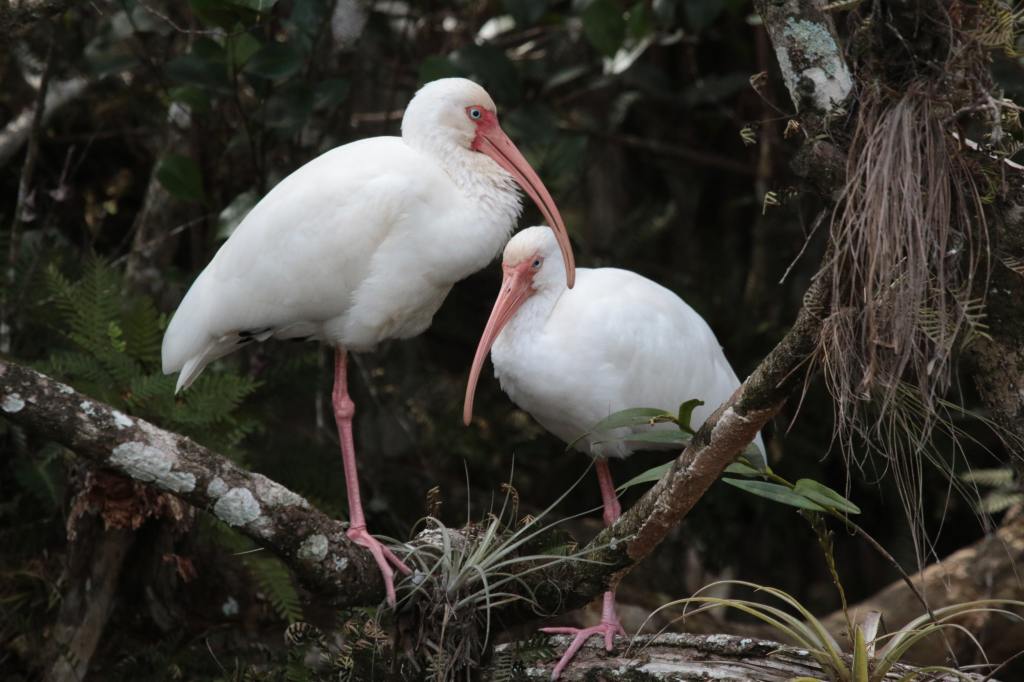
two white cranes with pencil-thin necks, flap their gracious wings against blue
mist rises from the creek as though it is scalding
brisk, is how you would describe this cold, cold morning where breath fogs in front of us like small puffs of smoke from early morning cigarettes
the creek is gentle today, as though there are more important things to do than rush
ducks sleep in the rushes, their heads buried so deep in feathers it’s as if they have no heads at all
Lou Smith is a poet based in Naarm/Melbourne in so-called Australia. Her poetry has appeared in journals and anthologies including Rabbit, Blue Bottle, Wasafiri,sx Salon, Moko, soft surface and Kunapipi. Lou is the author of the poetry collection riversalt (Flying Island Books). She has a PhD in Creative Writing from the University of Melbourne.
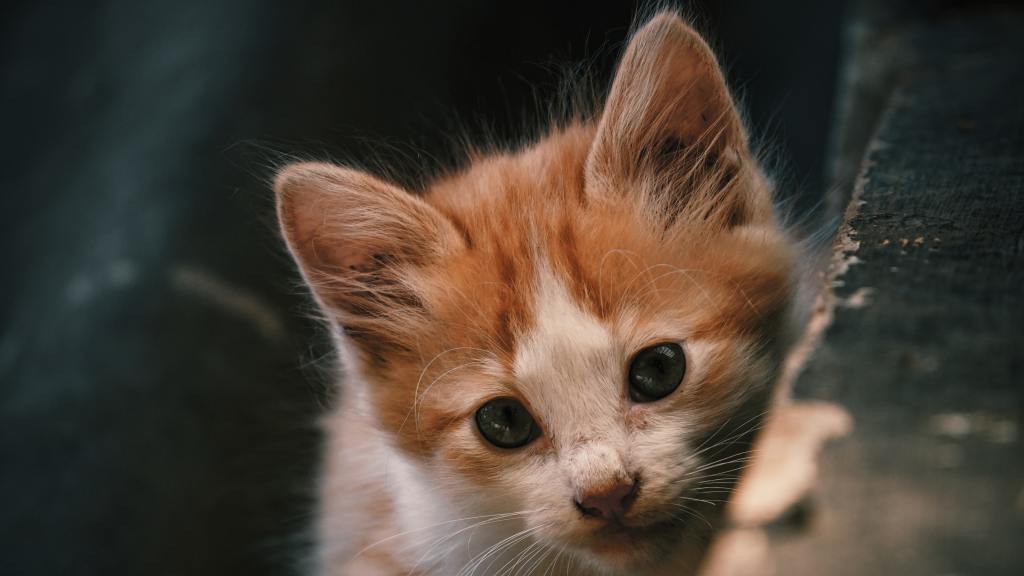
Four new kittens periscope heads from the old gym bag pile molding in my cupboard awhile
I disentangle blind and slimy mice-sized pouches, bags of skin with wet ears flattened back on scalps their mother mews confused desperate to return them to the dark and cozy canvass den
Three are destined to find homes but the little ginger is a Viking who weeks old turns to fighting clawing at the built-in mirrors stalking up the avocado tree a ruler and a hunter preying past the front door till I find him one day by the roadside stilled but dignified
the neighbor’s children ignorant of Viking custom dig a backyard grave say little prayers, teary, terse for a cross of sticks in bone dry earth
My hand is stable, as is the light Pry my fingers when clouds ———-7 ——–consume your face! & my devotion unspoilt as clear GlaSs, gutted against your palm Pets slow
On the kitchen island —you ——— suck my terror out ——— suck my burden &——- feed me to the wall
Spinning in this moment when you’re really gripping, ———– jagged wind outside. Blue Steller’s Jay flits ——————-7 ——-windowside [my] knuckles inside you. —[!]
Will you risk what you want to give me? —– Will you be so ——————- dangerously generous?
From a hard ringing you find my disbelief thick as blood. It flows as a current I cannot move against.
I trace you with ice throw the cube to the floor.
And more, we travel up lightly, crest into Top-pond idyllic, ——–breathleSsly A feverish container: —stints between delirium, ——-all our desires.
A few small rocks, placed —————————–on a knee.
[Remember the way we slept folded & beaming & tethered, –then woke to show you my eyelashes] ——7 ——–There are few things I say I must see through, ——– to act the horse throw myself.
How to get to the bottom of it: —never What survives a whirlwind: –your world / maybe mine
[!]
Maura M. Modeya is a poet, performer, and professor from Bemidji, MN. She’s the author of Only Interested in Everything, a poetry chapbook published by Meekling Press. Before heading west, she lived in Chicago where she focused on live performance, as well as producing oddity and storytelling shows. Their work interests include delirium, sapphic ritual, eco-dykedom, the poetics of disruption, and public visual disruption through wheat pasting, stickering, spray painting, with other DIY modes. Beyond the page, she has curated poetry wheat paste installations of her own work as well as community poetic collaborations as an act of street publication. They hold an MFA in writing and poetics from Naropa University in Boulder, CO where they currently teach.
Find her on insta @down2theponywire or at her monthly queer poetry open mics typically held at Town Hall Collaborative.
Nicole Taylor lives in Eugene, Oregon. She has been an artist, a hiker, a poetry note taker, a sketcher, a volunteer and a dancer, formerly in DanceAbility in Salem, Oregon. Her poems have appeared in Boneshaker: A Bicycling Almanac, Camel Saloon; Cirque Journal; Clackamas, Literary Review; Graffiti 1; Just Another Art Movement Journal – New Zealand, West Wind Review among others. You can read and hear more of her poetry at oregonpoeticvoices.poet/312/, a collection of Oregon poets with written and audio poetry available online through Lewis & Clark College in Portland, Oregon.
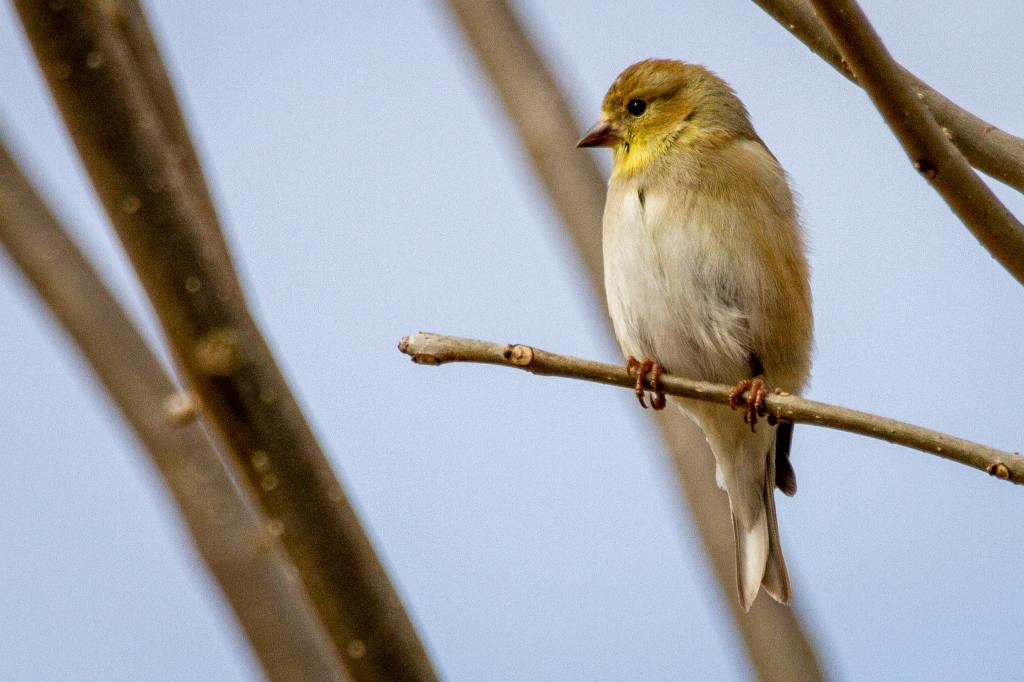
a flock of chickadees, finches, or sparrows descend from tree tops – a gradual Sneak Up eyeing the 5 pounds of chia seeds i flung under the maple and basswood wings a flutter in broken cadence the sound strewn in a piffpiffpiff 12 gauge birdshot patter a scattering through leafed shadows, landing as nothingness these bird feet leave no prints – their weightless possibilities love glancing off your cheek, or the obscure ricochet touch spirit seeds leave pockmarks on soul constellations imploded by lost dreams, speculations, expectations, the miraculous surprise that followed success, friendship, profound beauty the job we never thought qualified for or happiness undeserved like that day we shared a plate of platanos maduros the first time they came out right and true, you graciously forgot how many bad batches you ate while i perfected the oil temp, thickness of slice, the meticulous handling and smelling of the plantain at the grocery store, selecting just the right ones you teaching that the one with the most bruises bears the greatest sweetness
Suzanne S. Rancourt, Abenaki/Huron, Quebecois, Scottish descent, has authored Billboard in the Clouds, NU Press, (Native Writers’ Circle of the Americas First Book Award,) murmurs at the gate, Unsolicited Press, 2019, Old Stones, New Roads, Main Street Rag Publishing, 2021. Songs of Archilochus, Unsolicited Press, forthcoming October 2023. A USMC and Army Veteran, Suzanne is also a 2x Best of the Net nominee. www.expressive-arts.com
For a Boy Answering the Name of Our Home as the Replica of His Pain.
i called this home / a seed that is birthed where ants fly and dance / i painted my eye with a mirror / to see the fuel of this hell / and any child in my home / became the portrait of an unknown water / you whispered / and cried into my ears. / but, i know this story / is another beast. / colours shine again / with the cries of the sun / and another day is buried / in the womb of every night. i wasn’t born to stay / with my feet / dancing on this ember / in this boring home / where my name is eaten/ by the name of death. / do you think a squirrel can die / when a farmer sing a bird? what my soul sees / doesn’t exist in this world / and dosn’t even have a name to be called / or a face and the theory of drought. / i came to this home / with the autumn breeze / & wind of deserts / that tastes sweetly bitter with lies / blood / tears / and any thing i shall call pain. / i entered this home / wearing a pale cloud / and rain on the soil that runs away / from the touch of my skin.
Mubarak Said TPC XII is the 3rd runner-up of the poetry category of the 2022 Bill Ward Prize for Emerging Writers. His works are forthcoming and published in many literary magazines national and international as imspired magazine, World Voices Magazine, Icefloe Press, Literary Yard, Beatnik Cowboy, Piker Press Magazine, Teen Literary Journal, ILA magazine, Icreatives review, The Yellow House Magazine, Pine Cone Review, Synchronized Chaos, Susa Africa, Madswirl Magazine, Applied Worldwide, Opinion Nigeria, Today Post, Daily Trust, Daily Companion and elsewhere.
Trae sang Frank Sinatra to my left as the doctor removed a drain from my right.


I wasn’t ready to look down yet.


Later, I apologized for the blood I leaked onto the paper, covering my doctor’s white leather chair.


I’m sorry for my mess, I said, an apology with a footnote, of which the dissertation is still being written.


With compression off for the first time in eight days, I assemble as much oxygen as I can.  I inhale


the width of North America and exhale four decades in this body.


My eyes unclench; they are not fists.


The doctor praises my body, her work.


You are an artist, Trae says to her.


Slowly, I drop my head.


My chest is my favorite book pulled open to the best part.


It is flat, bruised. Nipples like squashed berries on the sidewalk, sort of charred and uncertain.


I have survived this pain. And my new chest is
                                                                                                                       beginning
a narrative therapy exhibition
part one.

Debra, my therapist, writes me a letter to prove medical necessity for bilateral mastectomy. I become  a card catalogue of mental distress, two disorders and a dysphoria. The letter calls me consistently  depressive; suddenly, I feel so seen. Why must we demonstrate our unwellness for health insurance  assistance when no man has to take a photograph of his flaccid penis in order to qualify for erection  renewal.

part two.

Strobe light images of sensations and feelings. My feminist hides, squinting every letter into a scared  pill bug. My body is a neighbor I wave hello to, with preference to keep our conversations no longer  than a nod. We pretend we are strangers; it is better this way. There was a time before I flinched. Before  I looked at men and thought about their penises as bullet holes left in women’s bodies. Before what I  wore became a billboard for who I was, how I identified, rather than just cotton and comfort. Before  my dentist declared all the reasons my teeth were complicated derelicts: drugs, lack of flossing, all  those panic attacks and New Jersey water. Before my body had scars named after the men, named  after the meds, named after me. Before that HPV diagnosis. Before that colposcopy where my  girlfriend and I watched my cervix projected on a screen as though it were the star of a new sitcom  about genital warts and bad decisions. Before my body became a crime scene or the DSM-5 or a chalk  outline of a former life or a tear-soaked handkerchief or a protest poem or a ghost or a  misunderstanding
or a question mark.
footnote
It comes back. It threads itself into the thin skin of my eyelids, jackhammers itself against my chest, creeps into the wax in my ears. It has been cut out, but it comes back. It has been drowned out with liquor and hops, but it swims to shore. It has been numbed with powders, chemicals, pickpocketed medicine cabinets; it keeps waking back up. It. It is genetic. It is unruly, unpredictable. It does not care you do yoga now or pretend to meditate. It has no interest in what you call yourself now, how you (try to) see yourself now. It is not going away. It. It stops you from getting jobs, from believing in yourself, from maintaining friendships, from committing to most things. It starts fights. It. It carries a switchblade. It. It cannot be quieted by pharmaceuticals; in fact, it dares you to try that again. It does not cower under doctor’s orders. It hates the term self-care. It is the most persistent part of you. It is the one element of you that has not given up. It. It. It has locked your doors and windows, so forget trying to walk out. It reminds you (in case you have forgotten) how worthless you are. It. It expects nothing of you. It. It. It. It is immune to surgery and sermons. It may will never go away. It. It. It. It. It. It. It. It. It. It. It. It. It. It. It. It. It. It. It. It. It. It. It. It. It. It. It. It. It. It. It. It. It. It. It. It. It. It. It.
Aimee Herman is a queer, nonbinary educator and writer. They are the author of two books of poetry and the novel “Everything Grows”. In addition, their work can be found in journals and anthologies such as BOMB, cream city review, and “Troubling the Line: Trans and Genderqueer Poetry and Poetics“. They currently host a monthly open mic in Boulder called Queer Art Organics. Aimee is extremely enamored with libraries, ukuleles, and the moon.
If you need to move past the past and have it absent in the present
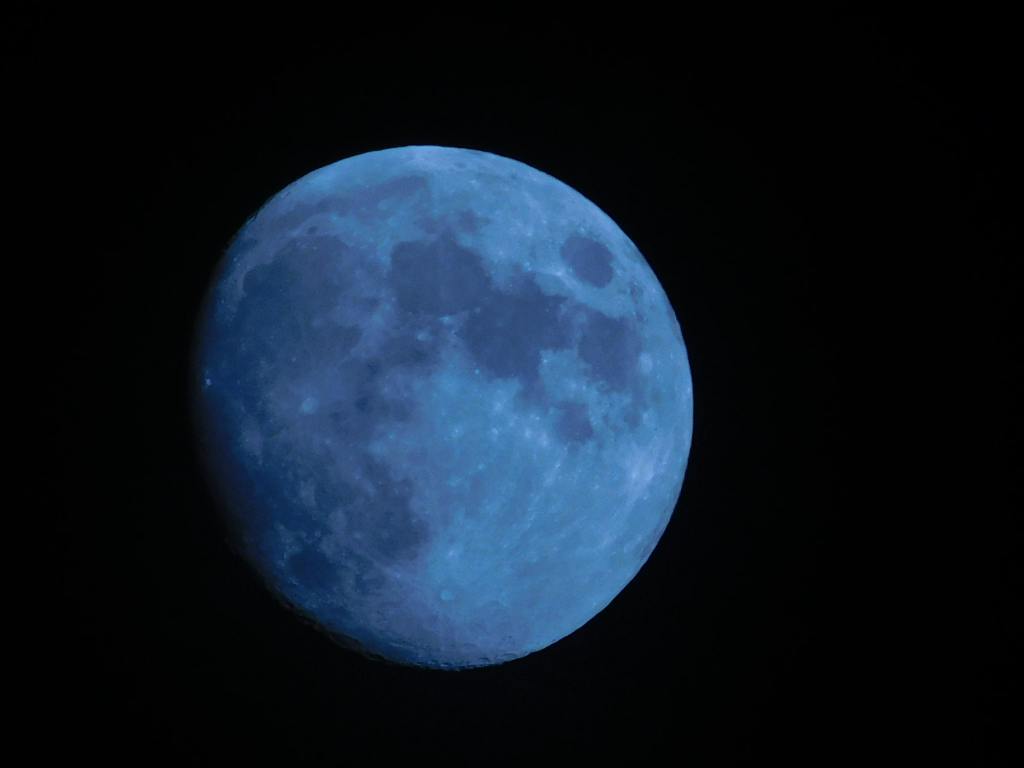
then ride on the big blue bulge of the blue moon
wafting cross the great lake of sky
find absolution in stars hand pick them
peel back their skin taste of heaven’s fruit.
Anne Iverson is a writer and artist. She is the author of five poetry collections: Come Now to the Window by the Laurel Poetry Collective, Definite Space and Art Lessonsby Holy Cow! Press; Mouth of Summer and No Feeling is Final by Kelsay Books. She is a graduate of both the MALS and the MFA programs at Hamline University. Her poems have appeared in a wide variety of journals and venues including six features on Writer’s Almanac. Her poem “Plenitude” was set to a choral arrangement by composer Kurt Knecht. She is also the author and illustrator of two children’s books. As a visual artist, she enjoys the integrated relationship between the visual image and the written image. Her art work has been featured in several art exhibits as well as in a permanent installation at the University of Minnesota Amplatz Children’s Hospital. She is currently working on her sixth collection of poetry, a book of children’s verse, and a collection of personal essays.
—————- – – – —-with a fecund heart and soulful tears
Valor of hopeful spirit undefeated
———- ——— —– Spiritual Mother of all children forever
Diana Kurniawan is a poet and writer based in Berthoud, Colorado. With by lines from Denver Life Magazine and Longmont Times Call for non-fiction journalistic pieces, she also previously served as Community Journalist for Denver Voice, a newspaper for the homeless. Recent publications include Twenty Bellows and Sortes Magazine for fiction and Ridgeline Review of Eastern New Mexico University and RawLit for her poetry in Spring 2023.










 south broadway press